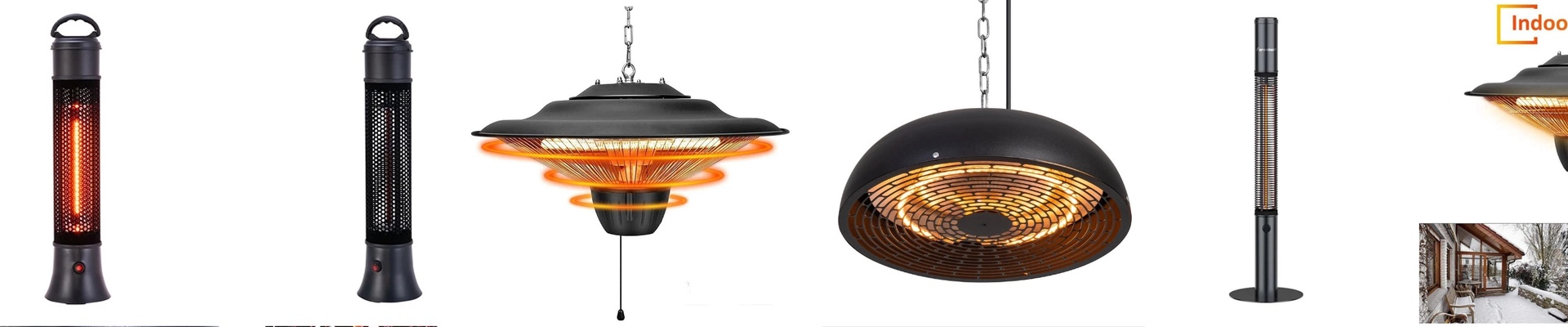
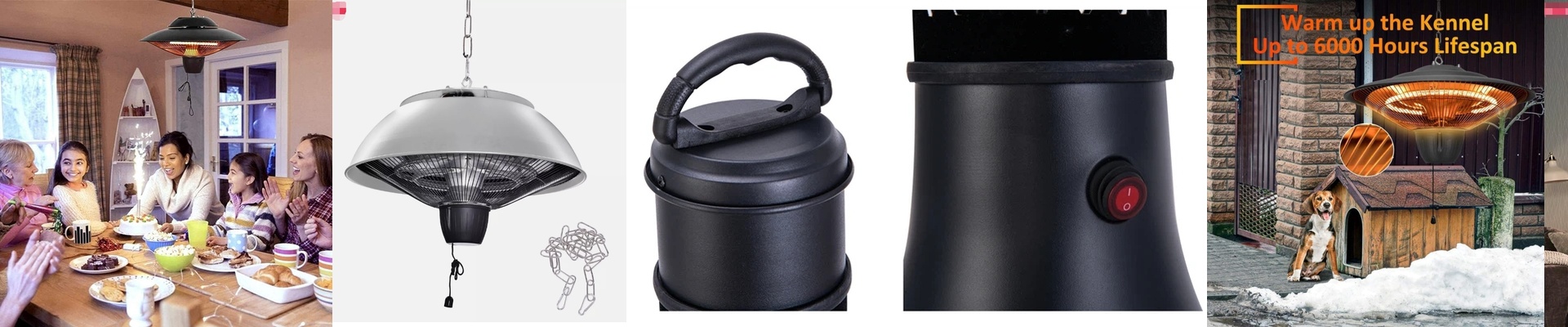
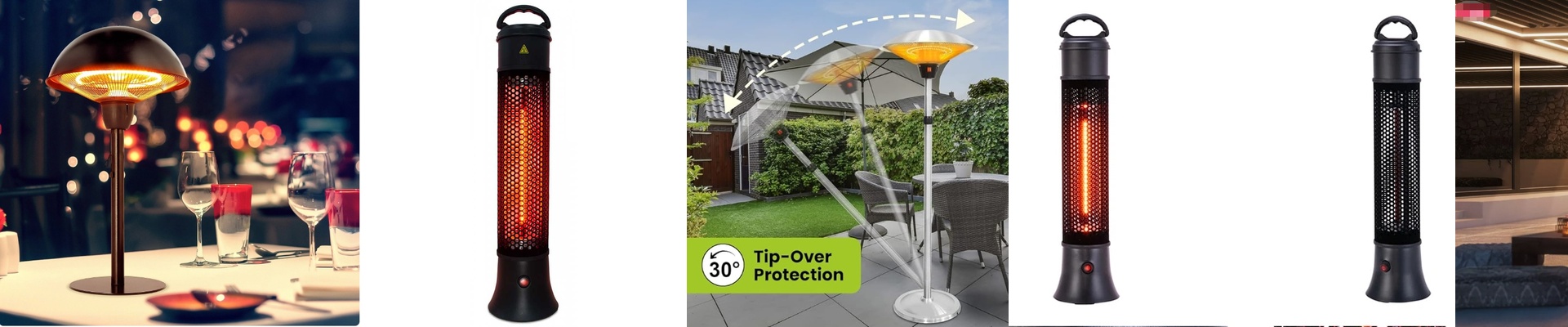
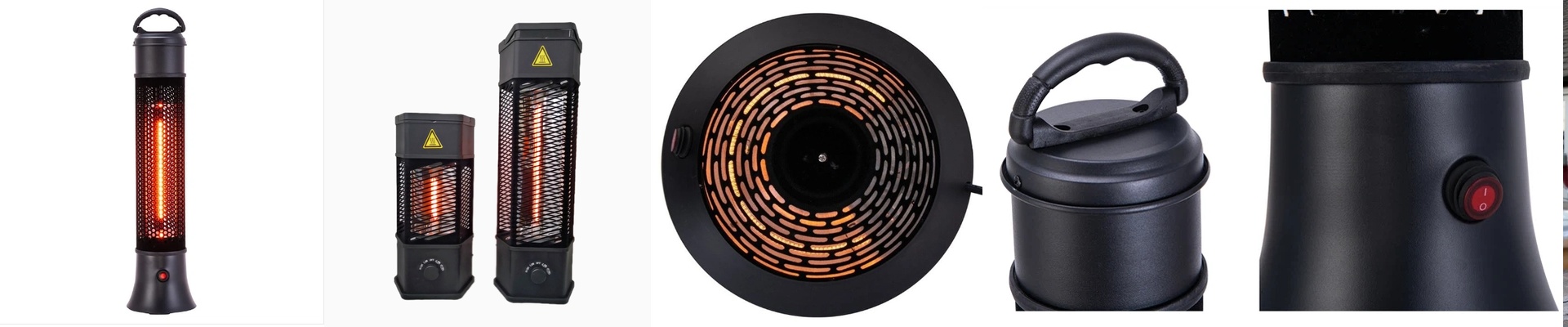
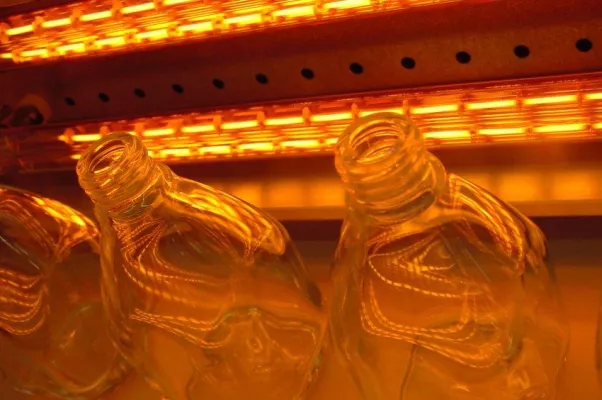
On the line, heat is never just heat. It’s the line between a pane that comes out flat and stress-free, and one that shows optical distortion or cracks after tempering. When a coating needs to dry without blisters, or a laminate stack needs a controlled melt without scorching, the heat has to hit the same spot, the same way, every time. That’s where gold-coated infrared emitters earn their keep. What matters, technically These emitters put out short-wave radiation with high emissivity and tight spectral control. The gold layer reflects longer wavelengths back toward the filament, which boosts efficiency and keeps output stable. In practice, you get a uniform thermal field across the target, a near-instant warm-up, and directional radiation that doesn’t waste heat on the surroundings. The payoff is predictable temperature profiles, fewer thermal gradients, and less drift from one batch to the next. Why this fits glass processing We run on throughput and yield. In tempering and bending, uniform heating cuts edge stress and bow, and that shows up as better optical quality. In lamination—whether you’re running EVA, SGP, or PVB—fast, even heat shortens the cycle while keeping bubbles and delamination out of the conversation. For coating drying, directional radiation cures evenly without overheating the substrate, so the film stays intact. Energy use drops because the energy goes where it’s needed, not into heating air or fixtures. Out on the floor, you see lines settling at setpoints faster, with fewer scrapped sheets and less downtime chasing temperature swings. What you need to keep straight Installation is straightforward, but alignment and reflector condition matter. Keep the target distance within the design window; if you push it too far, uniformity goes sideways. Keep the emitter surface clean and dry, and make sure voltage at the terminals is stable. Expect shorter lamp life if you run extreme duty cycles in high humidity. Match the emitter to your process window—power density, dwell time, and glass type—and it behaves like a fixed tool, not a guess.
در خط تولید، گرما هرگز فقط گرما نیست. این خط مرزی بین یک شیشهای است که صاف و بدون تنش بیرون میآید و شیشهای که پس از تمپر شدن دچار اعوجاج نوری یا ترک میشود. زمانی که یک پوشش باید بدون ایجاد تاول خشک شود، یا یک لایه لمینیت نیاز به ذوب کنترلشده بدون سوختگی دارد، گرما باید در همان نقطه، به همان روش، هر بار اعمال شود. در اینجاست که تابشدهندههای مادون قرمز با پوشش طلایی کارایی خود را نشان میدهند. مسائل فنی مهم این تابشدهندهها تابش موج کوتاه با بازده تابشی بالا و کنترل طیفی دقیق تولید میکنند. لایه طلایی، طول موجهای بلندتر را به سمت رشته بازتاب میدهد که باعث افزایش بهرهوری و پایداری خروجی میشود. در عمل، یک میدان حرارتی یکنواخت در سراسر هدف به دست میآید، گرمشدن تقریباً فوری اتفاق میافتد و تابش جهتدار بدون هدررفت گرما به محیط اطراف انجام میشود. نتیجه آن، پروفیلهای دمایی قابل پیشبینی، کاهش گرادیانهای حرارتی و کمتر شدن تغییرات دما بین دستههای تولید است. چرا این برای فرآوری شیشه مناسب است ما بر اساس تولید و بازده کار میکنیم. در عملیات تمپر و خمکاری، گرمایش یکنواخت تنش کنارهها و خمیدگی را کاهش میدهد که به کیفیت نوری بهتر منجر میشود. در لمینیشن—چه با EVA، SGP یا PVB—گرمای سریع و یکنواخت، چرخه را کوتاه کرده و از ایجاد حباب و لایهلایه شدن جلوگیری میکند. برای خشککردن پوشش، تابش جهتدار به طور یکنواخت خشک میکند بدون اینکه زیرلایه بیش از حد گرم شود، بنابراین فیلم محافظت میشود. مصرف انرژی کاهش مییابد چون انرژی به محل مورد نیاز میرود و نه به گرمکردن هوا یا تجهیزات. در محیط تولید، خطوط سریعتر به نقاط تنظیم میرسند، با تعداد کمتر شیشههای ضایعاتی و کاهش زمان توقف به دلیل نوسانات دما. نکاتی که باید رعایت کنید نصب ساده است، اما تراز بودن و وضعیت رفلکتور اهمیت دارد. فاصله هدف را در محدوده طراحی نگه دارید؛ اگر این فاصله بیش از حد شود، یکنواختی دچار اشکال میشود. سطح تابشدهنده را تمیز و خشک نگه دارید و مطمئن شوید ولتاژ در ترمینالها پایدار است. اگر در رطوبت بالا چرخههای کاری شدید داشته باشید، عمر لامپ کوتاهتر میشود. تابشدهنده را با پنجره فرایند خود—چگالی توان، زمان توقف، و نوع شیشه—مطابقت دهید تا مانند یک ابزار ثابت عمل کند و نه یک حدس.