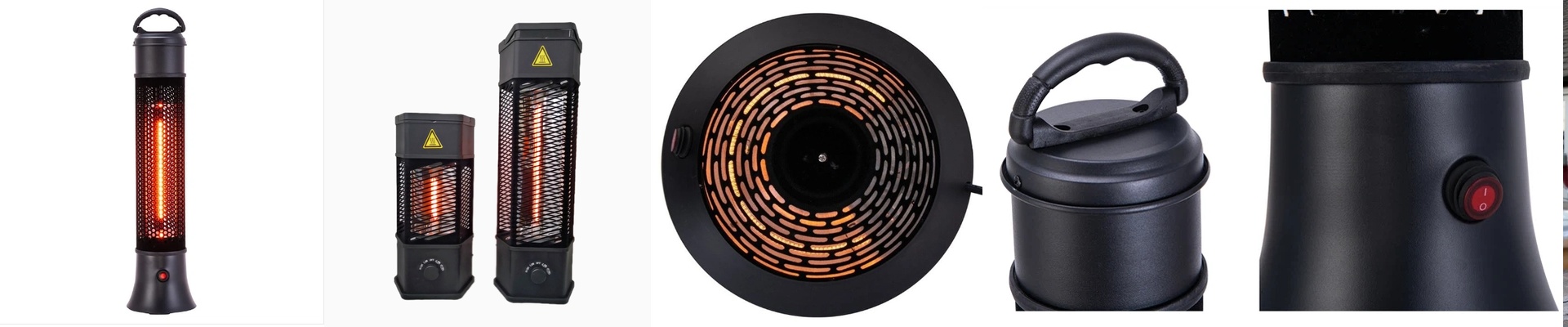
Out on the line, the sublimation transfer has to stick—clean, with no clouding, mottling, or crazing after the quench. As soon as the glass leaves the printer bay and hits the heater, the clock starts. Heat-up time, dwell uniformity, and thermal stability have to lock in, shift after shift, with the same repeatability. If the heater can’t keep up, you’re wasting ink, scrapping glass, and blowing the schedule. We built this sublimation-on-glass heater for the floor, not a lab bench. It’s a heating module designed to hold a stable thermal profile across the glass so the sublimation ink transfers cleanly, with consistent color density and edge definition.
What actually matters, technically
Sublimation on glass is straight thermal transfer: the ink has to hit sublimation temperature fast, dwell long enough to penetrate the coating, then cool in a controlled way so the image sets without putting the substrate under thermal stress. The heater has to deliver that heat with precision. The heart of the unit is a high-response quartz element running in the short-wave infrared (IR) band. Short-wave IR gives you high power density and a fast ramp-up, which shortens cycle time. The wavelength is chosen so the energy is absorbed efficiently by the sublimation ink and the glass surface, which means less wasted heat heating the air around it. The payoff is quicker heat penetration and a cleaner, more controllable temperature curve. The specs were picked for real plant integration and process control:
- Power and voltage: matched to industrial supply (commonly 3-phase configurations) so the heater drops into existing lines without rewiring the facility.
- Element layout: zoned heating to manage edge-to-center uniformity. Glass edges bleed heat fast; zoned control compensates and prevents local hot/cold spots.
- Temperature control: closed-loop with thermocouple feedback to hold setpoint. Sublimation has a narrow window—too cool and the transfer is weak, too hot and you get bleeding or stress the substrate.
- Build and materials: quartz elements, ceramic insulators, and industrial-grade terminations. The assembly is built to handle repeated thermal cycling, ambient humidity, and typical factory vibration. It’s designed as a module, not a one-off build. You can mount it into standard frames and conveyor lines, and it’s wired for predictable service access. In practice, that means less downtime swapping a module instead of troubleshooting a custom heater stack.
Why this approach holds up in production
Sublimation on glass isn’t batch work—it’s throughput. You run square meters per hour, and every extra minute per sheet compounds into lost capacity. Fast heat-up matters. The short-wave IR element comes up to temperature quickly, so the sublimation dwell starts on time. That cuts idle time between sheets and keeps the printer-heater sequence in step. When the heater is ready the instant the glass arrives, the line moves at its intended tempo. Uniformity matters more than brute heat. Uneven heating shows up as color shift and inconsistent transfer. The zoned layout and controlled emissivity of the heating face are tuned to flatten the thermal field across the glass. That reduces scrap from inconsistent transfer, especially on large formats where edge loss is a common failure mode. Energy draw isn’t an afterthought. Industrial heating is one of the biggest power draws on the floor. Short-wave IR heats the target directly, not the surrounding air, so less energy is lost to convection. That means lower kWh per square meter and a more manageable heat load in the work area. Thermal stability is what makes it repeatable. Sublimation ink is sensitive to small temperature deviations. Closed-loop control and stable element response keep the process window consistent from the first sheet of the shift to the last. When temperature stays steady, color matching is predictable and rework drops. And it has to fit the plant. We design the heater as a line-integrated module—same footprint logic as standard tempering and bending equipment, predictable clearances, and serviceable connections. If your process uses a standard conveyor height and width, the heater integrates without rebuilding the line.
The things you really need to plan for
These heaters perform best when the surrounding process is set up to support them. There are constraints you should get in front of, not discover on a bad run. The heater won’t fix poor ink or a mismatched substrate. If the ink’s sublimation window is too narrow, or the glass coating isn’t matched to the temperature range, you’ll chase temperature and still see variability. The heater is a control instrument—it needs a stable ink process to do its job. Line speed and dwell time have to be balanced. Short-wave IR gives fast heat-up, but the glass still needs sufficient dwell under the thermal field to complete transfer. Running the line too fast can leave the image underdeveloped, and trying to compensate with excessive temperature can cause bleeding or stress the substrate. Start by mapping the minimum dwell required for the target image density, then set heater power and zone balance to meet that window. Installation details matter. Align the heater parallel to the glass path so you don’t get uneven heating across the width. Place thermocouples where they reflect the active heating zone, not the frame temperature. Keep the element face clean—coating residue changes emissivity and skews the thermal field. Plan for maintenance. Quartz elements are tough, but they still age. Keep spare mounting hardware and termination components on hand. In high-humidity areas, protect electrical connections from condensation—moisture ingress is the most common field failure, not the elements themselves. If you’re running sublimation on glass at production volumes, the heater needs to behave like a machine tool: predictable, repeatable, and serviceable. This module is built to do exactly that—deliver the right heat, at the right time, across the glass, shift after shift.
ในสายการผลิต การถ่ายเทแบบซับลิเมชันต้องติดแน่น—สะอาด ไม่มีคราบขุ่น รอยด่าง หรือรอยแตกร้าวหลังการช็อกทันทีที่กระจกออกจากช่องพิมพ์และเข้าสู่ตัวทำความร้อน เวลาเริ่มเดินทันที เวลาในการให้ความร้อน ความสม่ำเสมอของการค้างความร้อน และความเสถียรทางความร้อนต้องถูกล็อกไว้ในทุกกะด้วยความแม่นยำซ้ำเดิม หากตัวทำความร้อนไม่สามารถตามทัน จะทำให้หมึกเสีย กระจกเสีย และทำให้ตารางการผลิตล่ม
เราออกแบบฮีตเตอร์สำหรับการซับลิเมชันบนกระจกนี้ให้ใช้งานบนพื้นโรงงาน ไม่ใช่โต๊ะทดลอง เป็นโมดูลทำความร้อนที่ออกแบบมาเพื่อรักษาโปรไฟล์ความร้อนที่เสถียรทั่วแผ่นกระจก เพื่อให้หมึกซับลิเมชันถ่ายเทอย่างสะอาด มีความเข้มสีและขอบภาพที่สม่ำเสมอ
สิ่งที่สำคัญจริงๆ ทางเทคนิค
การซับลิเมชันบนกระจกคือการถ่ายเทความร้อนโดยตรง: หมึกต้องถึงอุณหภูมิซับลิเมชันอย่างรวดเร็ว ค้างความร้อนนานพอที่จะซึมผ่านชั้นเคลือบ จากนั้นเย็นลงอย่างควบคุมเพื่อให้อิมเมจเซ็ตตัวโดยไม่ก่อให้เกิดความเครียดทางความร้อนกับวัสดุฐาน ตัวทำความร้อนต้องส่งมอบความร้อนนั้นด้วยความแม่นยำ
หัวใจของยูนิตนี้คือองค์ประกอบควอตซ์ที่ตอบสนองสูง ทำงานในแถบอินฟราเรดคลื่นสั้น (IR) อินฟราเรดคลื่นสั้นให้ความหนาแน่นพลังงานสูงและการเร่งความร้อนที่รวดเร็ว ช่วยลดเวลาวงจร ความยาวคลื่นถูกเลือกเพื่อให้พลังงานถูกดูดซับอย่างมีประสิทธิภาพโดยหมึกซับลิเมชันและผิวกระจก ซึ่งหมายความว่าความร้อนที่สูญเสียไปกับการทำความร้อนอากาศรอบข้างน้อยลง ผลลัพธ์คือการซึมผ่านความร้อนที่เร็วขึ้นและเส้นกราฟอุณหภูมิที่สะอาดและควบคุมได้ดีกว่า
สเปกถูกเลือกเพื่อการบูรณาการในโรงงานจริงและการควบคุมกระบวนการ:
- กำลังไฟและแรงดันไฟฟ้า: ตรงกับแหล่งจ่ายไฟอุตสาหกรรม (โดยทั่วไปเป็นแบบ 3 เฟส) เพื่อให้ตัวทำความร้อนสามารถติดตั้งเข้ากับสายการผลิตเดิมได้โดยไม่ต้องเดินสายไฟใหม่
- การจัดวางองค์ประกอบ: การทำความร้อนแบบโซนเพื่อจัดการความสม่ำเสมอจากขอบสู่กลาง แผ่นกระจกบริเวณขอบสูญเสียความร้อนได้เร็ว การควบคุมแบบโซนช่วยชดเชยและป้องกันจุดร้อน/เย็นเฉพาะที่
- การควบคุมอุณหภูมิ: แบบวงปิดโดยใช้ฟีดแบ็กจากเทอร์โมคัปเปิลเพื่อรักษาค่าที่ตั้งไว้ ซับลิเมชันมีช่วงอุณหภูมิจำกัด—ถ้าเย็นเกินไปการถ่ายเทจะอ่อน และถ้าร้อนเกินไปจะเกิดการไหลของหมึกหรือความเครียดต่อวัสดุฐาน
- โครงสร้างและวัสดุ: องค์ประกอบควอตซ์ ฉนวนเซรามิก และขั้วต่อเกรดอุตสาหกรรม ชุดประกอบถูกออกแบบให้รองรับการเปลี่ยนแปลงอุณหภูมิซ้ำๆ ความชื้นรอบข้าง และการสั่นสะเทือนในโรงงานทั่วไป
ถูกออกแบบเป็นโมดูล ไม่ใช่การผลิตแบบครั้งเดียว สามารถติดตั้งเข้ากับโครงมาตรฐานและสายพานลำเลียงได้ และเดินสายสำหรับการบำรุงรักษาที่คาดการณ์ได้ ในทางปฏิบัติหมายถึงเวลาหยุดเครื่องน้อยลงจากการเปลี่ยนโมดูล แทนการแก้ไขฮีตเตอร์แบบทำขึ้นเฉพาะ
เหตุผลที่วิธีนี้คงทนในสายการผลิต
การซับลิเมชันบนกระจกไม่ใช่งานแบบชุด แต่เป็นงานแบบต่อเนื่อง วัดเป็นตารางเมตรต่อชั่วโมง และทุกนาทีที่เพิ่มขึ้นต่อแผ่นจะสะสมเป็นการสูญเสียกำลังการผลิต
การเร่งความร้อนเร็วสำคัญ องค์ประกอบ IR คลื่นสั้นจะขึ้นอุณหภูมิอย่างรวดเร็ว ทำให้ระยะเวลาค้างความร้อนซับลิเมชันเริ่มตรงเวลา ลดเวลาว่างระหว่างแผ่นและรักษาจังหวะการทำงานของเครื่องพิมพ์และฮีตเตอร์ เมื่อฮีตเตอร์พร้อมทันทีที่กระจกมาถึง สายการผลิตจะเคลื่อนที่ด้วยความเร็วที่ตั้งไว้
ความสม่ำเสมอสำคัญกว่าการเร่งความร้อนแรง การทำความร้อนที่ไม่สม่ำเสมอจะแสดงผลเป็นการเปลี่ยนสีและการถ่ายเทที่ไม่สม่ำเสมอ การจัดวางแบบโซนและการควบคุมการแผ่รังสีของผิวฮีตเตอร์ถูกปรับแต่งให้ทำให้สนามความร้อนทั่วแผ่นกระจกเรียบขึ้น ช่วยลดของเสียจากการถ่ายเทที่ไม่สม่ำเสมอ โดยเฉพาะในขนาดใหญ่ที่การสูญเสียขอบเป็นโหมดความล้มเหลวบ่อย
การใช้พลังงานไม่ใช่เรื่องรอง ฮีตเตอร์อุตสาหกรรมเป็นหนึ่งในผู้ใช้พลังงานสูงสุดในโรงงาน IR คลื่นสั้นทำความร้อนตรงเป้าหมาย ไม่ใช่ทำความร้อนอากาศรอบๆ จึงสูญเสียพลังงานน้อยลงจากการพาความร้อน ส่งผลให้ kWh ต่อตารางเมตรต่ำลงและภาระความร้อนในพื้นที่ทำงานอยู่ในระดับที่จัดการได้
ความเสถียรทางความร้อนทำให้เกิดความซ้ำได้ หมึกซับลิเมชันไวต่อการเปลี่ยนแปลงอุณหภูมิเพียงเล็กน้อย การควบคุมแบบวงปิดและการตอบสนองขององค์ประกอบที่เสถียรช่วยรักษาช่วงกระบวนการให้คงที่ตั้งแต่แผ่นแรกจนถึงแผ่นสุดท้ายของกะ เมื่ออุณหภูมิคงที่ การจับคู่สีเป็นไปได้อย่างคาดหมายและการแก้ไขงานลดลง
และต้องเหมาะกับโรงงาน เราออกแบบฮีตเตอร์เป็นโมดูลที่บูรณาการเข้ากับสายการผลิต—ใช้ตรรกะขนาดเทียบเท่าอุปกรณ์มาตรฐานสำหรับการเทมเปอร์และดัดกระจก ช่องว่างและการเชื่อมต่อที่คาดการณ์ได้ หากกระบวนการของคุณใช้ความสูงและความกว้างของสายพานลำเลียงมาตรฐาน ฮีตเตอร์จะรวมเข้ากับสายได้โดยไม่ต้องสร้างสายใหม่
สิ่งที่ต้องวางแผนจริงๆ
ฮีตเตอร์เหล่านี้ทำงานได้ดีที่สุดเมื่อกระบวนการรอบข้างถูกตั้งค่าให้สนับสนุน มีข้อจำกัดที่ควรเตรียมล่วงหน้า ไม่ใช่ไปค้นพบตอนเกิดปัญหา
ฮีตเตอร์ไม่สามารถแก้ปัญหาหมึกไม่ดีหรือวัสดุฐานที่ไม่เหมาะสมได้ หากช่วงอุณหภูมิซับลิเมชันของหมึกแคบเกินไป หรือชั้นเคลือบกระจกไม่ตรงกับช่วงอุณหภูมิ จะต้องไล่ตามอุณหภูมิและยังพบความแปรปรวน ฮีตเตอร์คืออุปกรณ์ควบคุม—จึงต้องการกระบวนการหมึกที่เสถียรเพื่อทำงานได้
ความเร็วสายการผลิตและเวลาค้างความร้อนไม่จำเป็นต้องเท่ากัน IR คลื่นสั้นให้ความร้อนเร็ว แต่กระจกยังต้องค้างในสนามความร้อนนานพอที่จะถ่ายเทเสร็จ การวิ่งสายเร็วเกินไปจะทำให้อิมเมจยังไม่สมบูรณ์ และการพยายามชดเชยด้วยอุณหภูมิสูงเกินไปจะทำให้เกิดการไหลของหมึกหรือความเครียดวัสดุฐาน เริ่มต้นด้วยการกำหนดเวลาค้างขั้นต่ำที่ต้องการสำหรับความเข้มของอิมเมจเป้าหมาย จากนั้นตั้งกำลังฮีตเตอร์และสมดุลโซนให้สอดคล้องกับช่วงเวลานั้น
รายละเอียดการติดตั้งสำคัญ จัดแนวฮีตเตอร์ให้ขนานกับเส้นทางกระจกเพื่อป้องกันการทำความร้อนที่ไม่สม่ำเสมอในแนวกว้าง วางเทอร์โมคัปเปิลในตำแหน่งที่สะท้อนโซนความร้อนที่ใช้งานจริง ไม่ใช่อุณหภูมิของโครง เก็บผิวองค์ประกอบให้สะอาด เพราะคราบเคลือบจะเปลี่ยนการแผ่รังสีและทำให้สนามความร้อนเบี้ยว
วางแผนการบำรุงรักษา องค์ประกอบควอตซ์ทนทานแต่ก็เสื่อมสภาพได้ เก็บอะไหล่ฮาร์ดแวร์ยึดติดและขั้วต่อสำรองไว้ ในพื้นที่ความชื้นสูง ปกป้องจุดเชื่อมต่อไฟฟ้าจากการควบแน่น น้ำเข้าเป็นสาเหตุความล้มเหลวในสนามที่พบบ่อยที่สุด ไม่ใช่องค์ประกอบเอง
ถ้าคุณใช้งานซับลิเมชันบนกระจกในระดับการผลิต ฮีตเตอร์ต้องทำงานเหมือนเครื่องมือกล: คาดการณ์ได้ ซ้ำได้ และซ่อมบำรุงได้ โมดูลนี้ถูกสร้างมาเพื่อทำหน้าที่นั้นโดยเฉพาะ—ส่งมอบความร้อนที่ถูกต้อง ในเวลาที่ถูกต้อง ทั่วแผ่นกระจก ในทุกกะการผลิต