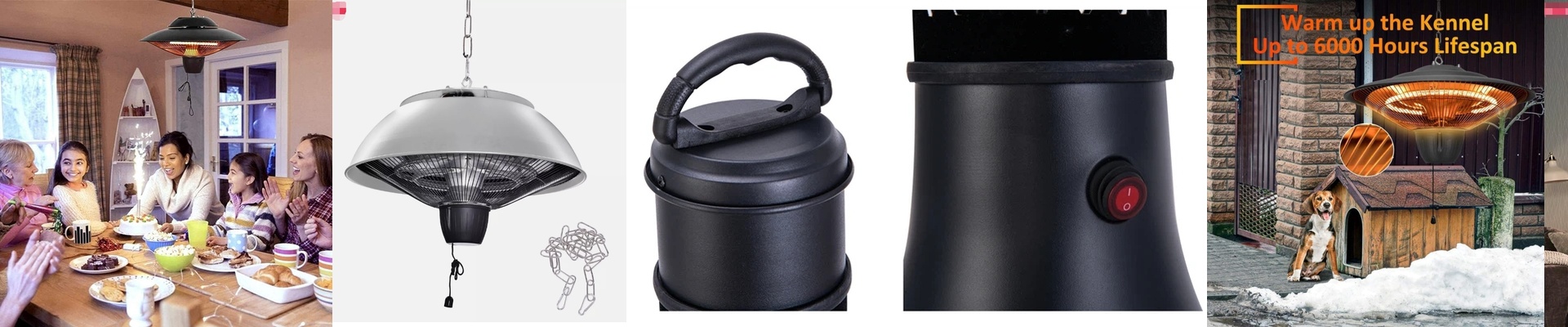
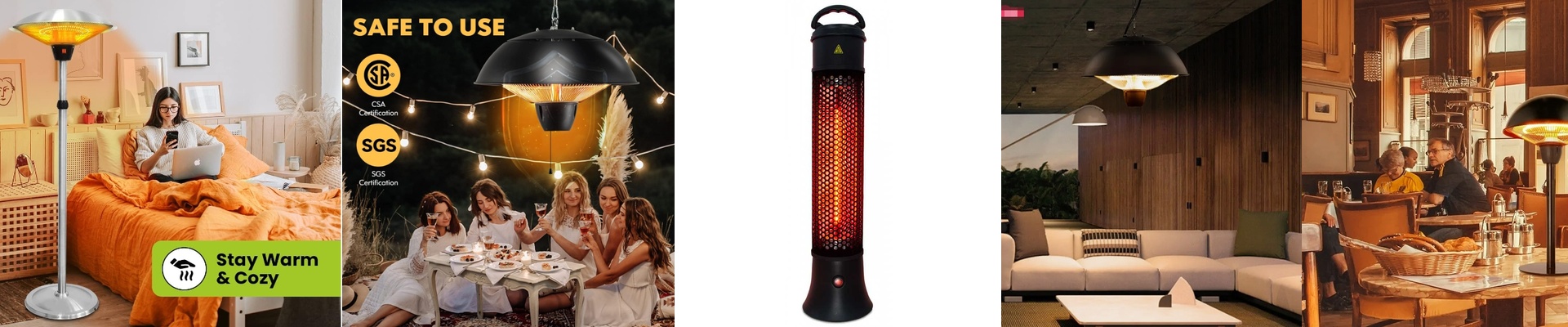
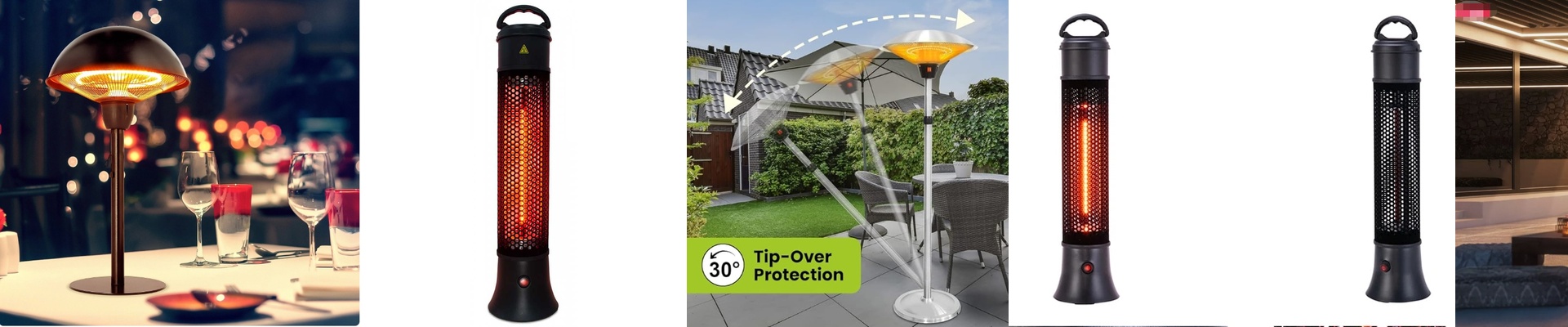
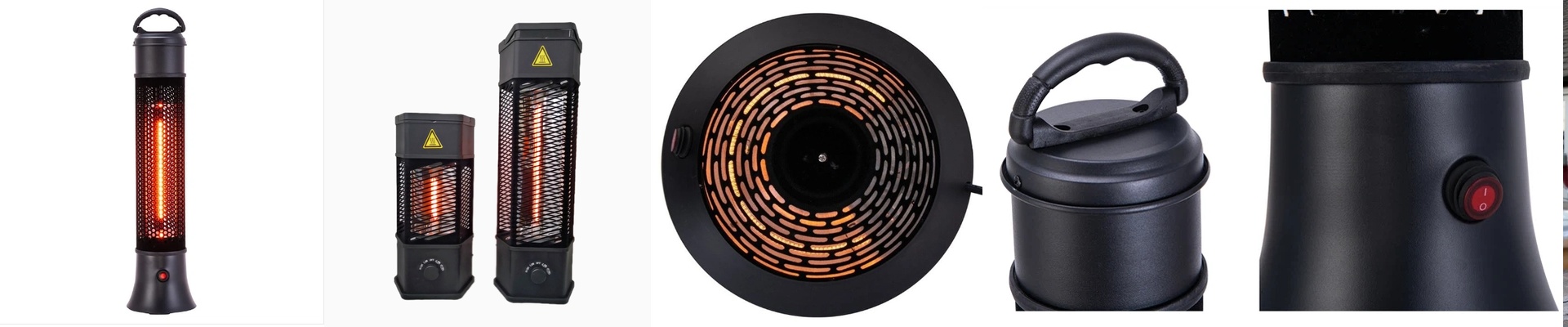
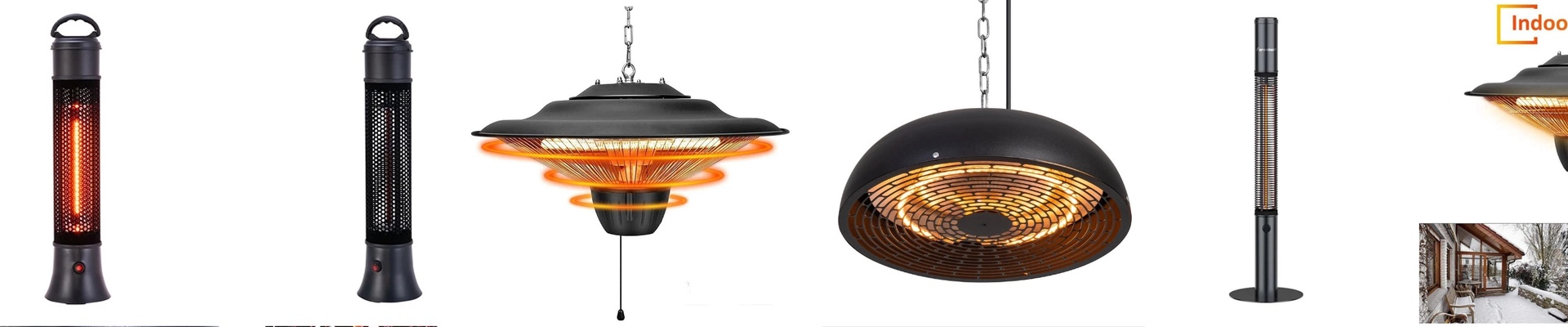
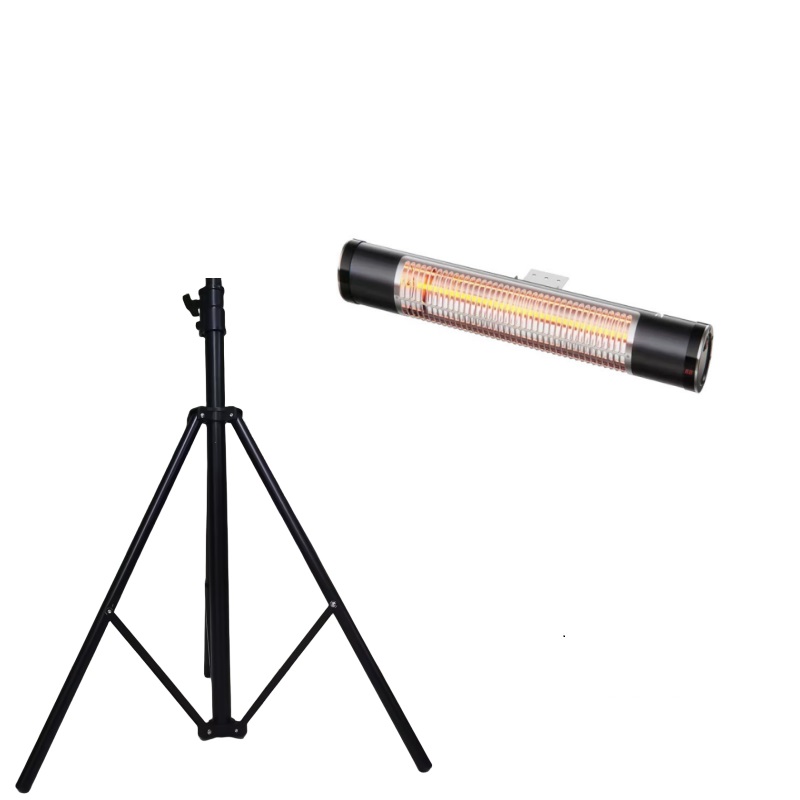
When the goal is keeping a patio comfortable—whether you’re battling damp London evenings or humid Singapore nights—heating can’t be left to guesswork. One unit that takes too long to warm up, one drafty corner, and the guest experience slips. Complaints and service calls rise. That’s why global brands lean on a repeatable solution: our CE-certified infrared patio heaters, built as standardized core units across markets. Here’s what’s under the hood. We build around short-wave infrared, so people feel the warmth almost instantly, not after a long wait. The core is a tough quartz tube with a carbon filament, turning electricity directly into radiant heat. It warms people and surfaces first, without wasting energy heating the air. That means faster recovery when doors open, steadier comfort in windy spots, and less wasted energy. Each unit is designed for standard voltage setups in commercial outdoor settings, with a sealed housing and built-in safety controls. Why does this work for global chains? Consistency. Same look, same warmth profile, same compliance story—everywhere you operate. CE certification gives you the documentation needed for cross-border procurement and inspections, which shortens approvals and cuts audit risk. For your team, that means fewer SKUs to stock, simpler training, and faster rollouts. For your guests, it means predictable comfort: more usable tables, smoother turnover, and an outdoor space that stays inviting when the temperature dips. Radiant heat also keeps drafts down and reduces air movement. That helps keep drinks steady and conversations flowing. Now, the practical bits. Infrared is directional, so placement matters. Aim the beam to hit seating areas directly, and avoid pointing at glass or highly reflective surfaces that can glare. These heaters are built for outdoors, but they still need a protected power source and should be wired by a qualified installer. For full comfort across a large patio, space units evenly so every table gets direct warmth, and pair them with a thermostat or control strategy that matches occupancy patterns.