
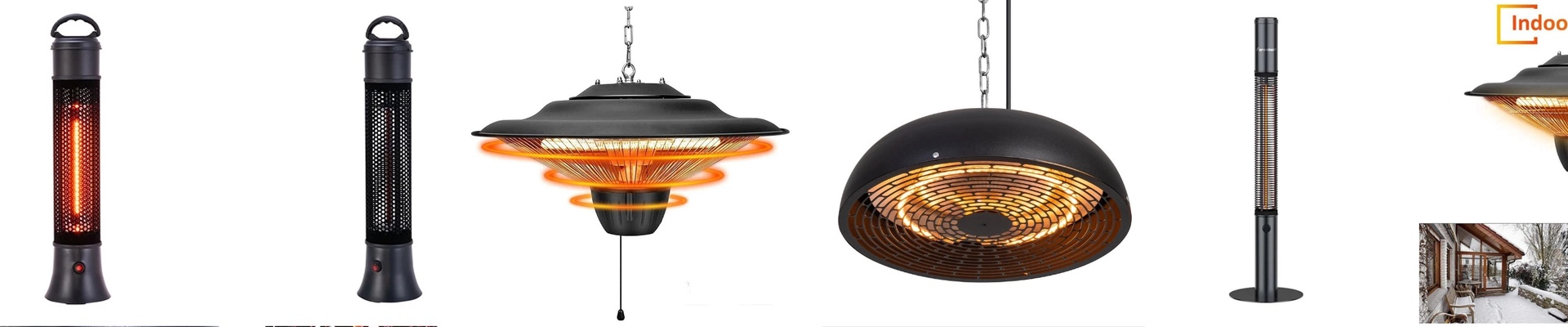

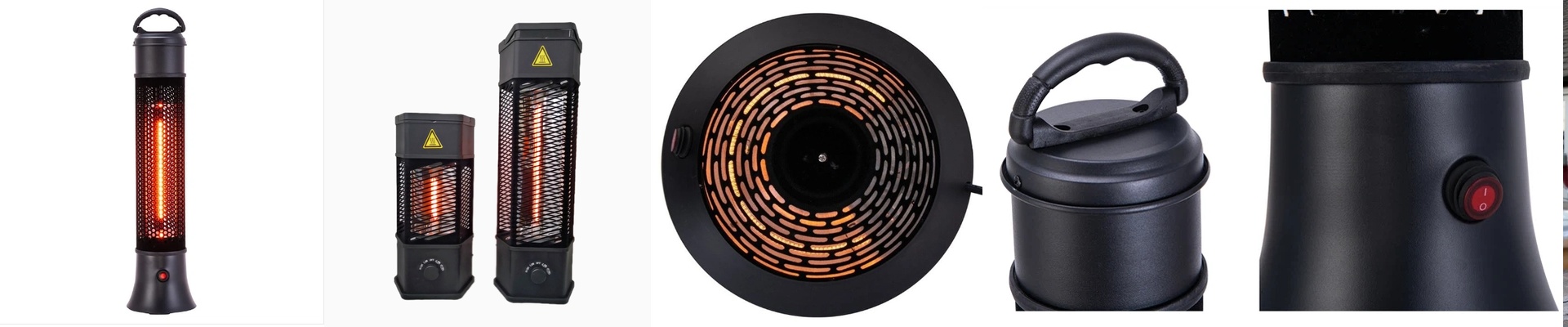


On a winter morning in the garage, the air bites. Drafts slip through cracked bay doors and gaps around the service lift, and that cold settles right into the knuckles. For an auto technician, stiff fingers mean slower work and a higher chance of mistakes. Traditional space heaters push warm air around, but it rises and scatters, leaving the workbench cold. Infrared heating changes how heat reaches you.
What matters, technically
Infrared delivers radiant warmth—think of the sun, but in a controlled, electric form. The core uses a carbon fiber or quartz element that glows and emits short-wave or medium-wave infrared. That energy travels in straight lines and warms people, tools, and surfaces directly, without heating the air. Many units run on 120V and draw 1500W, enough to cover a focused work zone. You can add a plug-in thermostat for steady comfort, and look for the basics that matter on a shop floor: tip-over protection and a housing that takes a beating. For a garage, a model with an IP rating suited to dust and moisture helps keep performance consistent.
Why it works in a shop
In a garage workstation, you need heat where you stand, not across the whole bay. Infrared puts warmth right on the bench and onto your hands. Technicians keep dexterity, so bolts turn smoothly, seals seat cleanly, and tools feel natural. Because the heat is directional, you’re not throwing energy at the entire volume of air. Work cycles stay steady, and the space feels comfortable without the drafty swings that come with forced-air heaters.
What to keep in mind
Infrared works best when you place it to cover the work area—about 6 to 8 feet from the bench—and aim it where you stand. It warms what it touches, so avoid pointing it directly at sensitive plastic parts or paint. For full-bay comfort, you may still need supplemental heat. Plan for a dedicated outlet, and keep the heater clear of tools and solvents. With thoughtful placement, it turns a chilly, drafty garage into a space where steady hands and clear thinking come first.