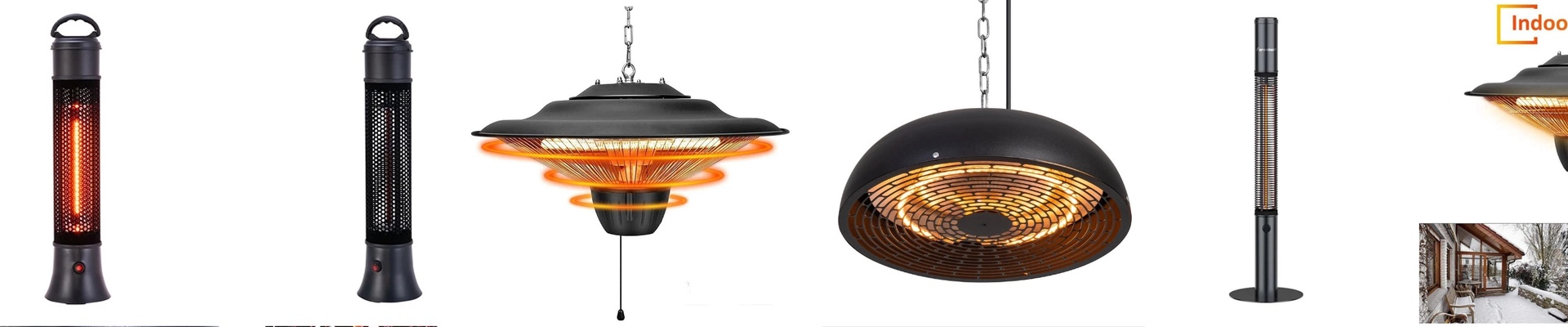
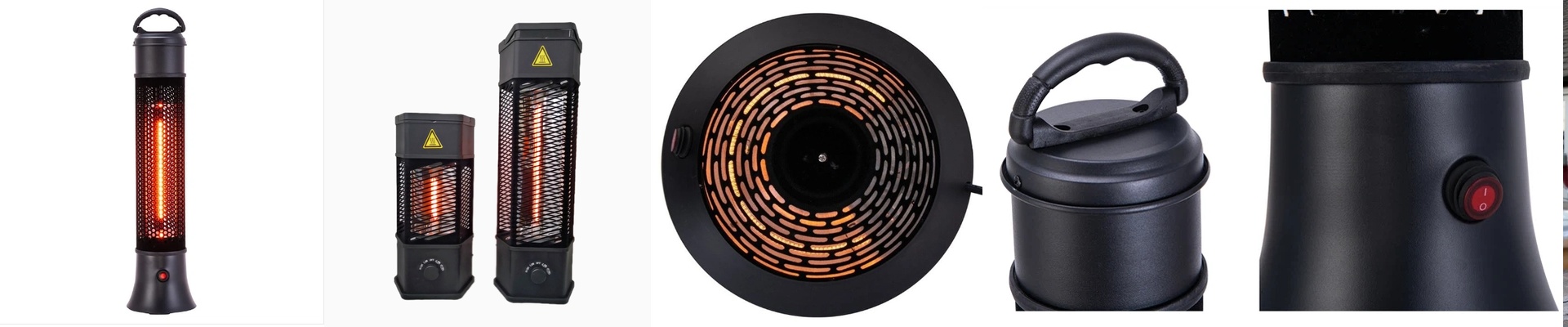


Out on the line, the sublimation transfer has to stick—clean, with no clouding, mottling, or crazing after the quench. As soon as the glass leaves the printer bay and hits the heater, the clock starts. Heat-up time, dwell uniformity, and thermal stability have to lock in, shift after shift, with the same repeatability. If the heater can’t keep up, you’re wasting ink, scrapping glass, and blowing the schedule. We built this sublimation-on-glass heater for the floor, not a lab bench. It’s a heating module designed to hold a stable thermal profile across the glass so the sublimation ink transfers cleanly, with consistent color density and edge definition.
What actually matters, technically
Sublimation on glass is straight thermal transfer: the ink has to hit sublimation temperature fast, dwell long enough to penetrate the coating, then cool in a controlled way so the image sets without putting the substrate under thermal stress. The heater has to deliver that heat with precision. The heart of the unit is a high-response quartz element running in the short-wave infrared (IR) band. Short-wave IR gives you high power density and a fast ramp-up, which shortens cycle time. The wavelength is chosen so the energy is absorbed efficiently by the sublimation ink and the glass surface, which means less wasted heat heating the air around it. The payoff is quicker heat penetration and a cleaner, more controllable temperature curve. The specs were picked for real plant integration and process control:
- Power and voltage: matched to industrial supply (commonly 3-phase configurations) so the heater drops into existing lines without rewiring the facility.
- Element layout: zoned heating to manage edge-to-center uniformity. Glass edges bleed heat fast; zoned control compensates and prevents local hot/cold spots.
- Temperature control: closed-loop with thermocouple feedback to hold setpoint. Sublimation has a narrow window—too cool and the transfer is weak, too hot and you get bleeding or stress the substrate.
- Build and materials: quartz elements, ceramic insulators, and industrial-grade terminations. The assembly is built to handle repeated thermal cycling, ambient humidity, and typical factory vibration. It’s designed as a module, not a one-off build. You can mount it into standard frames and conveyor lines, and it’s wired for predictable service access. In practice, that means less downtime swapping a module instead of troubleshooting a custom heater stack.
Why this approach holds up in production
Sublimation on glass isn’t batch work—it’s throughput. You run square meters per hour, and every extra minute per sheet compounds into lost capacity. Fast heat-up matters. The short-wave IR element comes up to temperature quickly, so the sublimation dwell starts on time. That cuts idle time between sheets and keeps the printer-heater sequence in step. When the heater is ready the instant the glass arrives, the line moves at its intended tempo. Uniformity matters more than brute heat. Uneven heating shows up as color shift and inconsistent transfer. The zoned layout and controlled emissivity of the heating face are tuned to flatten the thermal field across the glass. That reduces scrap from inconsistent transfer, especially on large formats where edge loss is a common failure mode. Energy draw isn’t an afterthought. Industrial heating is one of the biggest power draws on the floor. Short-wave IR heats the target directly, not the surrounding air, so less energy is lost to convection. That means lower kWh per square meter and a more manageable heat load in the work area. Thermal stability is what makes it repeatable. Sublimation ink is sensitive to small temperature deviations. Closed-loop control and stable element response keep the process window consistent from the first sheet of the shift to the last. When temperature stays steady, color matching is predictable and rework drops. And it has to fit the plant. We design the heater as a line-integrated module—same footprint logic as standard tempering and bending equipment, predictable clearances, and serviceable connections. If your process uses a standard conveyor height and width, the heater integrates without rebuilding the line.
The things you really need to plan for
These heaters perform best when the surrounding process is set up to support them. There are constraints you should get in front of, not discover on a bad run. The heater won’t fix poor ink or a mismatched substrate. If the ink’s sublimation window is too narrow, or the glass coating isn’t matched to the temperature range, you’ll chase temperature and still see variability. The heater is a control instrument—it needs a stable ink process to do its job. Line speed and dwell time have to be balanced. Short-wave IR gives fast heat-up, but the glass still needs sufficient dwell under the thermal field to complete transfer. Running the line too fast can leave the image underdeveloped, and trying to compensate with excessive temperature can cause bleeding or stress the substrate. Start by mapping the minimum dwell required for the target image density, then set heater power and zone balance to meet that window. Installation details matter. Align the heater parallel to the glass path so you don’t get uneven heating across the width. Place thermocouples where they reflect the active heating zone, not the frame temperature. Keep the element face clean—coating residue changes emissivity and skews the thermal field. Plan for maintenance. Quartz elements are tough, but they still age. Keep spare mounting hardware and termination components on hand. In high-humidity areas, protect electrical connections from condensation—moisture ingress is the most common field failure, not the elements themselves. If you’re running sublimation on glass at production volumes, the heater needs to behave like a machine tool: predictable, repeatable, and serviceable. This module is built to do exactly that—deliver the right heat, at the right time, across the glass, shift after shift.