
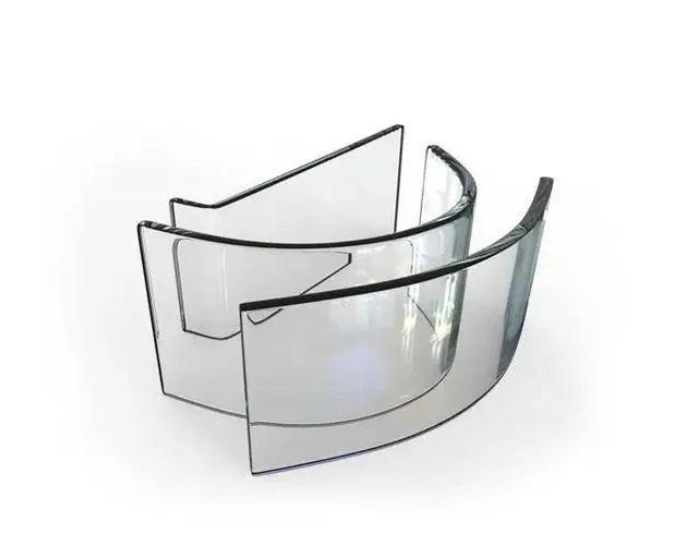
Stop the Cracking: A Better Way to Anneal Lab Glass
Anyone who’s spent time with lab glassware knows the nightmare of a piece spontaneously cracking. You think you’ve got it right, but a tiny temperature swing—just a few degrees—creates internal stress that sits there like a time bomb. To stop that from happening, we’ve shifted to using gold reflector plates and infrared elements. It lets us hit a precision window of 0.1°C. It’s tight. It’s reliable. And it saves a lot of heartbreak. Why gold? Most people use aluminum or stainless steel reflectors, but those actually soak up too much energy. Gold is different. It reflects infrared radiation way more efficiently. Instead of letting heat leak into the furnace walls, the gold plates bounce those IR waves right back into the glass. You get a much denser, more uniform heat soak. No more guessing if the center of the piece is actually at temperature. Getting that 0.1°C stability The real danger zone is the glass transition temperature (Tg). If you rush through that part or let the temp wobble, you’re asking for stress fractures. We pair these gold reflectors with high-precision IR elements and PID controllers to keep things steady. Because the gold makes the heat directional, those annoying cold spots basically disappear. One quick tip: because these plates concentrate heat so well, keep an eye on your layout. Make sure your cooling fans and sensors are tucked away from the heat path, or you might fry your control electronics. Real-world results When you’re working with borosilicate, “close enough” is a recipe for disaster. A tiny dip in temperature during the cycle leaves a permanent weak point in the glass. This setup keeps the environment isothermal, meaning the temperature stays dead-flat where you need it. The best part? You don’t need a whole new furnace. You can usually drop these in to replace your old resistive coils. You’ll notice the ramp-up time is faster, and you have way more control over the annealing point. Just double-check that your power supply can handle the IR lamp wattage so you don’t burn out the filaments.