
Getting Your IR Setup Right
Here is the truth about IR lamps: they’re only as good as the reflector behind them. If you’re using a cheap or low-purity aluminum reflector, you’re basically throwing away half your energy. It just leaks out the back of the machine. We build our reflectors to stop that waste. They bounce the heat right back onto your workpiece, concentrating the power and shaving time off your cycles. It’s a simple fix that makes a massive difference.
Dealing with the Power Grid
Most lamps you buy off the shelf are 230V. That’s fine for some, but if you’re running a heavy-duty line in North America, you’re probably looking at 110V, 480V, or 575V. The stakes are high here. Plug a 230V lamp into a 480V line? It’ll pop in seconds. Go the other way and under-power it, and you won’t get enough heat density to actually do the job. Instead of making you buy expensive step-down transformers, we just customize the filament resistance. We make sure the wattage hits the target regardless of what’s coming out of your wall. You just drop it in and it works.
Heat, Materials, and Common Mistakes
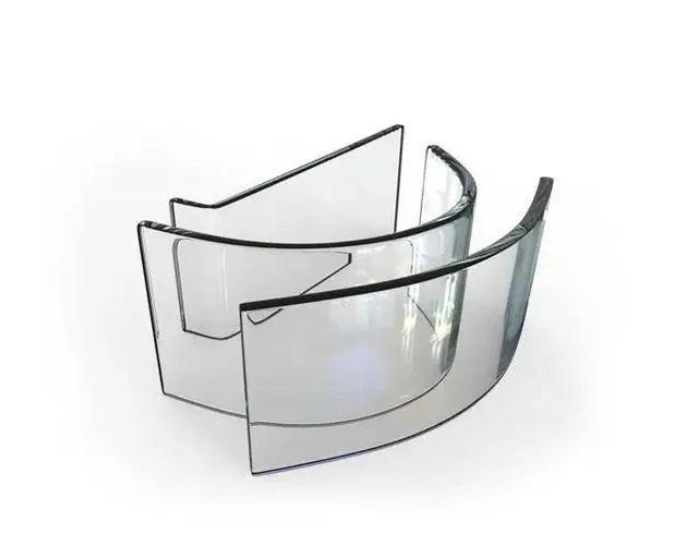
We stick with high-grade aluminum for the housing because it handles the IR spectrum best. But the shape is where the magic happens. A tight parabolic curve focuses the beam into a punch, while a wider arc spreads the heat out. But you have to be careful. When you crank up the voltage and wattage, you get incredible heat, but you also put a lot of stress on your sockets and wiring. If you try to squeeze too much power into a tiny footprint, your lamp holders might actually melt. It sounds obvious, but double-check your cooling fans. Make sure your ventilation can actually handle the heat rise, or you’re just asking for trouble.
Real-World Use
You’ll see this most often in PET blowing and industrial curing. By matching the curve of the reflector to the lamp’s length and voltage, we get rid of those annoying cold spots on the product. Everything stays hot. Exactly where it needs to be.