Why Most Glass Annealing Lamps Fail (and How to Actually Get it Right)
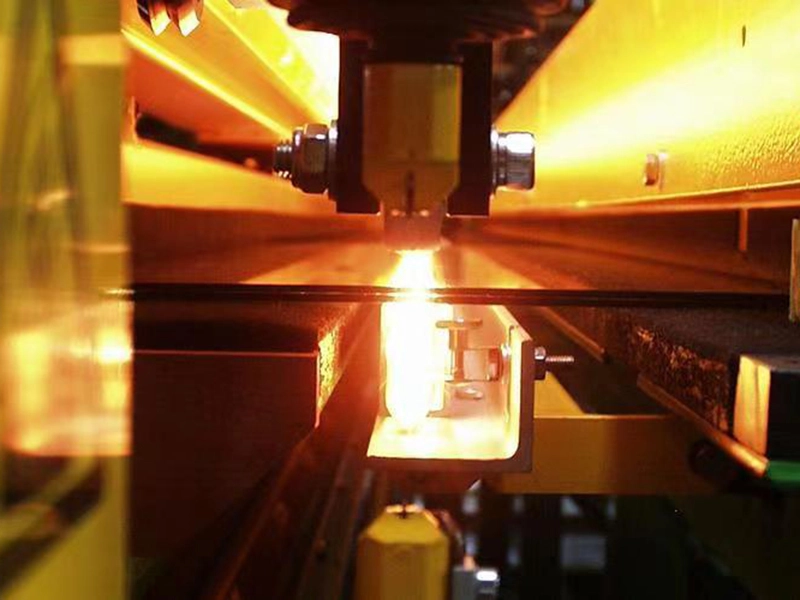
Selling a lamp is the easy part. The hard part? Getting a glass tube to anneal without it stressing out and cracking. I’ve seen it happen way too often. A shop buys a generic infrared lamp, plugs it in, and suddenly their tubes are warping because the heat density is all wrong. It’s a mess. That’s why we don’t just take a parts order over the phone—we start with the thermal diagnostics. We need to see what’s actually happening on your floor first. The Voltage Trap Glass annealing is all about that “soak” temperature. If your wattage is too low, you’ll never hit the transition point fast enough. But if you mess up the voltage—like throwing a 230V lamp onto a 400V line—you’re just going to fry the filament in a matter of minutes. We match the voltage and wattage to how fast your conveyor is actually moving. Now, those high-wattage shortwave lamps? They’ve got the punch you need for rapid heating. But they’re hungry. If your wiring can’t handle that current draw, you’re going to smell something burning in your control panel. Not a good sound. Quartz and “Hot Spots” We stick with high-purity quartz envelopes because they can handle the brutal heat cycling of an annealing oven without giving up. Depending on the glass you’re working with, we might use a coated emitter. Here’s the trick: the coating shifts the spectrum and kills that annoying “hot spot” effect. Instead of the center of your glass overheating while the ends stay cold, the heat spreads out evenly. It just feels more stable. The Hidden Trade-offs Getting these into your rig is usually simple. We use R7s or Sk15 connectors, so they mostly just drop right in. But here is the thing: more heat density means your cooling fans have to work harder. If you cram 2500W into a tight space without any real airflow, you’ll melt your sensors and ruin the housing. It’s a quick way to kill a machine. That’s why we check your venting before we ever suggest a lamp. It saves everyone a lot of headaches.