
Stop Messing Around with Loose IR Lamps
Most glass inspection lines start the same way: you buy a few IR tubes, wire them up, and just hope the heat hits the right spots. But if you’re running a high-speed line, that “hope” usually leads to cold spots and missed defects. We decided to stop thinking about lamps as individual parts and started treating them as a complete system.
Getting the Curve Right
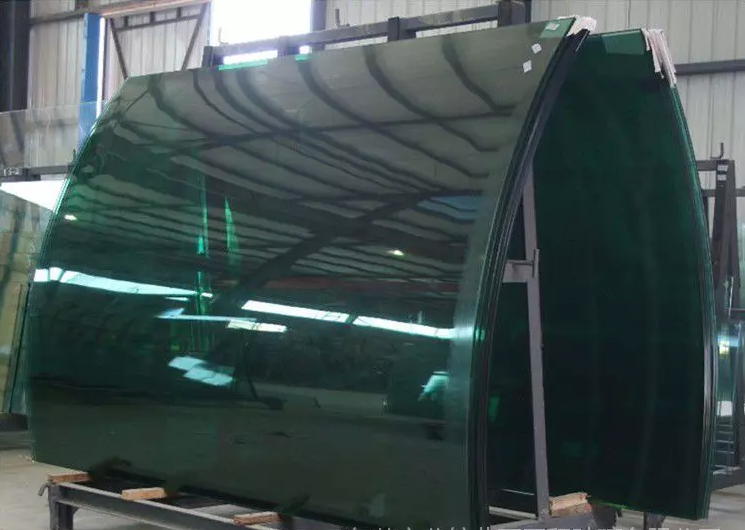
Here’s the thing: flat heaters are useless for round glass. If you want the heat to actually penetrate the glass evenly, the heater has to wrap around the product. That’s why we build curved modules that actually fit the shape of your containers. No more guessing where to position a lamp or spending hours tweaking angles on the shop floor. You just drop the module in, and it’s already aligned. It’s a huge relief for anyone who’s ever had to fight with a bracket for an afternoon.
Power, Heat, and the “Burnout” Risk
We don’t just guess on the specs. We look at how thick your glass is and how fast your line is moving. We use high-wattage shortwave IR to get that surface heating fast—without turning your entire conveyor belt into an oven. But a word of warning: high-density modules pack a punch. They put a real load on your electrical panels. And if your cooling fans aren’t up to the task, you’re going to fry your connectors. It’s a simple mistake, but a costly one.
Less Headaches, More Up-Time
Buying individual lamps is a chore. Your team spends hours wiring, shielding, and testing everything from scratch. We do that part for you. You get a unit that’s already been tested and vetted. You bolt it in, connect the main feed, and you’re done. The real win happens later. When a lamp eventually dies—and they always do—you aren’t digging through a cramped machine trying to find a loose wire. You just swap out the modular section and get back to work. It saves a ton of man-hours and, more importantly, keeps the line moving.