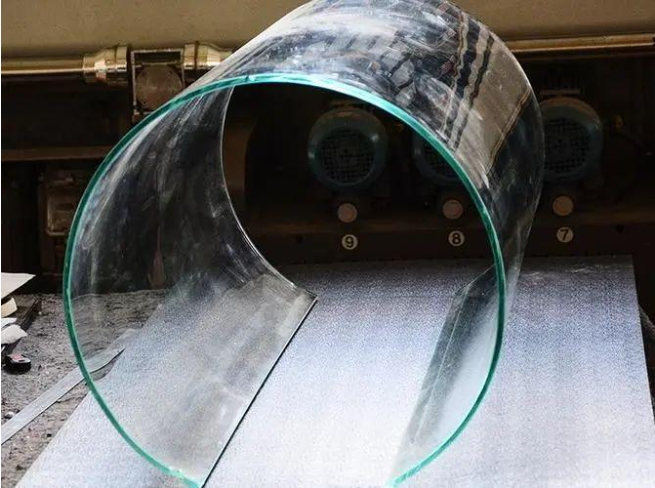
On the glass line, heat isn’t just heat. It’s the difference between a pane that ships and one that shatters when thermal stress hits. When the tempering furnace has to hit repeatable soak profiles, the lamination press needs a fast ramp, and the coating line can’t tolerate hot/cold bands, the heater has to show up—shift after shift. What we’re really building We build industrial glass heaters as drop-in modules: tempering, bending, lamination (EVA/SGP/PVB), coating drying, and insulating glass sealing. The core is quartz-based NIR emitters, with emissivity engineered for directional heat and lower convection losses. The numbers are chosen for the floor, not the brochure: 3–5 kW/m² for quick response, a 150–200°C/min heating rate to shorten cycles, and ±1.5% temperature uniformity across the active zone to keep bow, warp, and edge stress from sneaking in. Control is thermocouple feedback with PID tuned to glass transitions, holding soak stability within ±2°C. Why this matters where you run it In tempering, even heat keeps optical distortion down and the quench consistent, so thermal shock breakage drops. In lamination, the fast ramp shortens press dwell while still getting proper polymer flow—throughput climbs without sacrificing adhesion. On coatings, the tight profile shortens drying and curing, which means fewer pinholes and less haze. And energy use falls because the heater delivers heat on demand—less idle mass sitting there wasting standby. A few shop-floor realities These modules drop into existing frames, but clearance to the glass and reflector geometry have to match your line. NIR is fast, so emissivity swings across coated or tinted glass can create local hot spots—run a controlled preheat, or adjust power density by zone when you’re mixing products. Lead time runs 2–4 weeks for custom lengths and terminal options.