




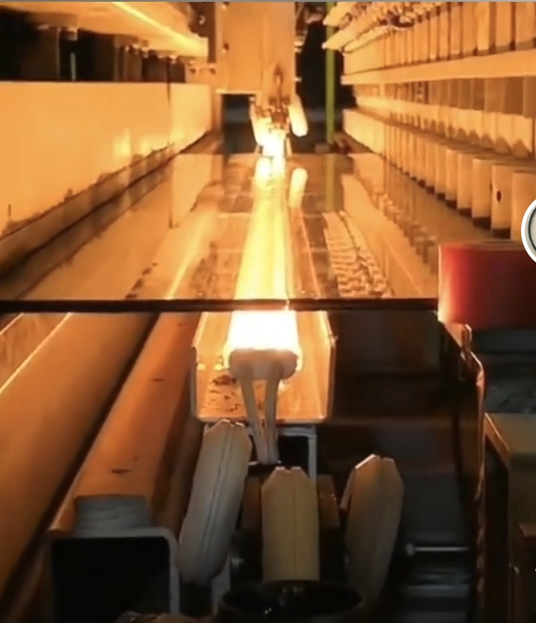
On the glass line, temperature stability is the thin line between a profitable run and a pile of scrap. Sapphire is tough, yes, but it’s also thermally sensitive and unforgiving. Underheating locks stress into the part; overheating drives warpage and waste. We built this sapphire glass processing heater to hold the thermal profile you need—shift after shift. What matters, technically We run short-wave quartz infrared emitters in a modular heater block. The response is fast, and control is tight on sapphire substrates. The layout gives you a uniform thermal field across the target zone, so you don’t get hot spots or gradients that kick off thermal stress. Output density is matched to the line’s duty cycle, so the heater climbs quickly to setpoint without overshoot. The control interfaces can be configured to match your existing PLC logic, and the power connections are laid out for standard industrial terminations. In production, you get repeatable soak performance, stable emissivity behavior, and consistent temperature uniformity across lots. Why it holds up in real glass work This heater is built for the realities of the line—tempering, bending, and coating stages that demand repeatable heat and fast stabilization. The rapid ramp shortens cycle time, and the even heat distribution cuts rejects from stress fractures and optical distortion. Energy stays disciplined because the emitters hit the glass directly, so you’re not wasting heat on convection. For sapphire, that means more good parts per hour, scrap rates that don’t spike, and line capacity you can plan around. Here are the practical details Compatibility comes first. We supply drop-in replacement kits for major glass machinery brands, with exact-fit mounting geometry and wiring options that keep installation non-destructive. Just verify your machine’s voltage, amperage, and control protocol before ordering. Sapphire’s high thermal conductivity means setpoint tuning needs care—start conservative, then optimize. After that, the heater runs with minimal maintenance, but keep spare emitters on hand for quick changeover when you’re in peak production.