
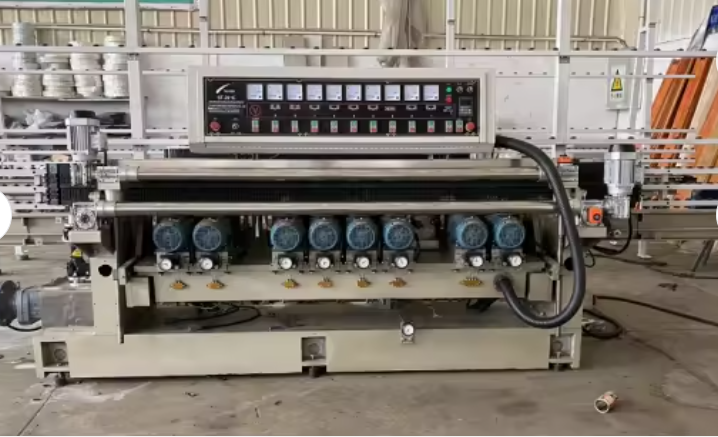
On the line, you know the moment a kiln starts chasing setpoints instead of shaping the glass. It shows up fast—warp, edge stress, rejects that should have shipped. We built our digital control around one idea: stop the drift at the source by making thermal behavior follow the process, not the other way around. What matters technically The controller runs closed-loop on every heating zone, using thermocouple feedback and power-output monitoring to hold setpoint in a tight band—even when line speed changes or load density shifts. Heaters are matched to the kiln geometry: quartz or short-wave elements where you need rapid surface response, medium-wave where penetration and uniformity matter on thicker bends. The payoff is repeatable emissivity control, predictable convection, and a thermal field that doesn’t fight the glass. Why it works in tempering and bending The kiln is where yield is earned. Digital control cuts overshoot on start-up and removes the dwell-time guesswork that drives optical distortion and thermal stress cracking. Cycles settle in, so sag profiles and quench results stay consistent. Energy use drops because you’re not running wide-open just to compensate for shaky control. And when you’re switching between glass types, you can store recipes—temperature ramps, holds, and soak profiles—so changeovers don’t turn into scrap. Things to know before you pull the trigger This is a drop-in upgrade for most OEM kiln architectures, but site readiness matters. Match voltage, connector type, and mounting tolerances, and verify the existing insulation and sealing are still solid; a weak seal will sabotage even tight control. We provide adaptable interfaces and wiring plans to keep downtime short, but expect a brief calibration window after install to tune zones to your specific glass mix.