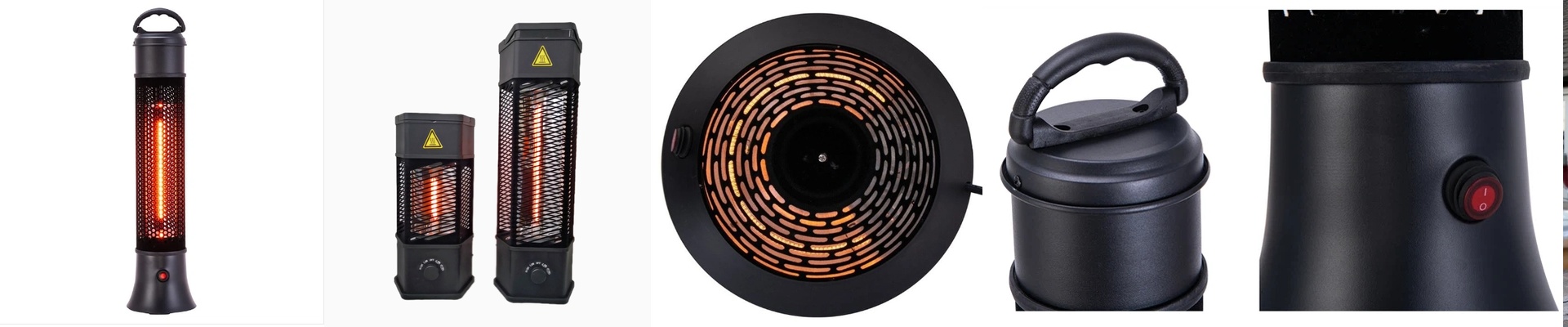

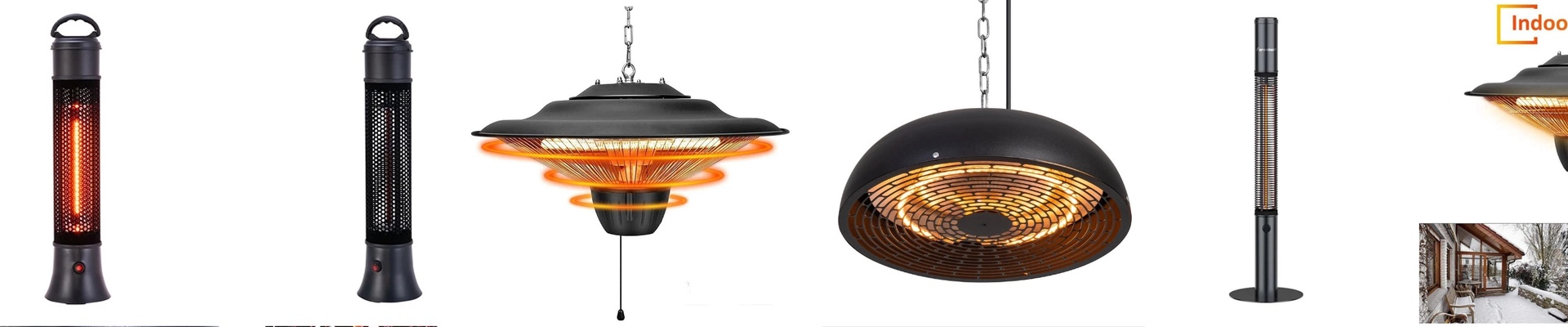
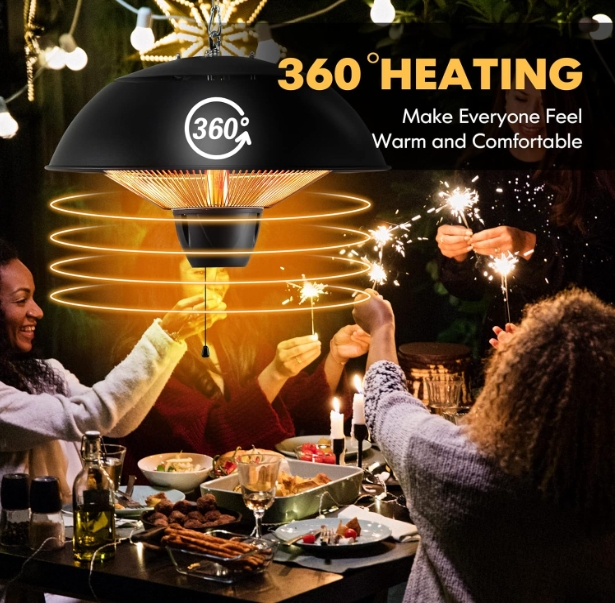
On a cold job site or in a packed outdoor dining area, you can tell a commercial radiant heater by how fast it fires up. If the glow is slow and tentative, you’re usually looking at contamination in the element—impurities that rob output and cut service life short. Keep the element clean and high-purity, and it lights almost instantly, delivering steady infrared warmth instead of excuses.
What matters under the hood
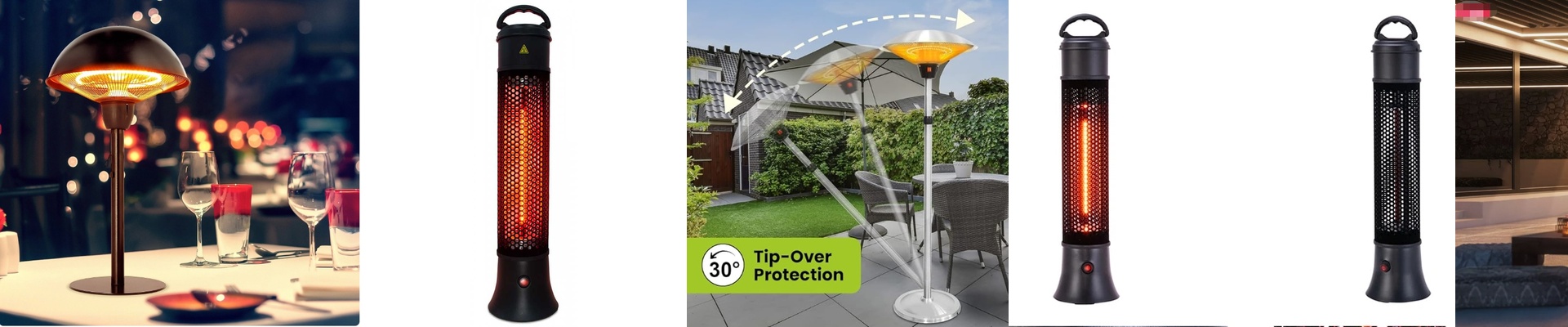
We spec these commercial radiant heaters around high-purity quartz tubes and a dense, uniform resistance element. That’s what buys you a quick, stable light-up and consistent infrared output, often hitting full power within seconds. It’s not about flash—it’s about predictable heat that keeps people comfortable and keeps the job moving. Add a solid thermostat, tip-over protection, and a sealed housing rated for outdoor use, and you’ve got a heater that runs on real-world shifts, not perfect conditions.
Why it works where the work is
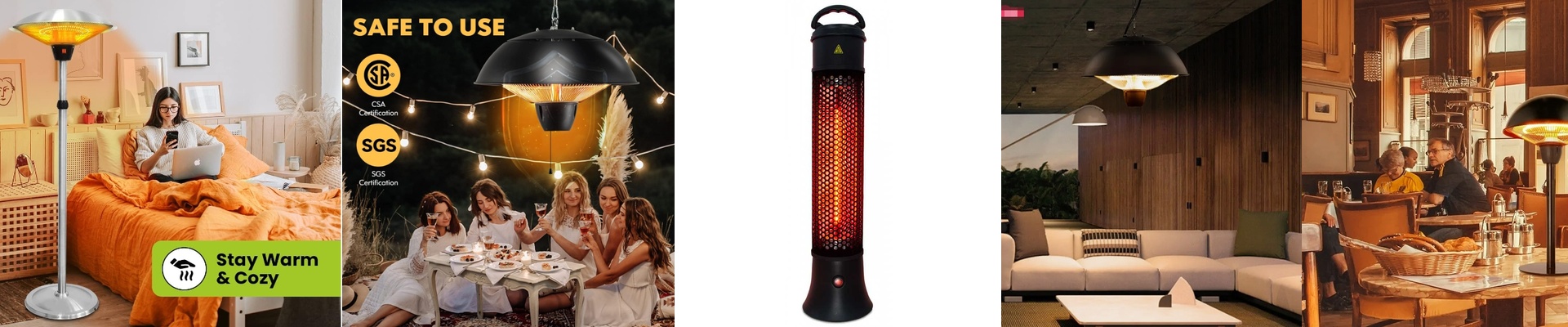
When you need warmth on demand, a commercial radiant heater with a pure element makes the difference between a smooth shift and a slow, miserable start. Patrons stay seated longer, staff keep their hands working, and warm-up downtime shrinks. Because infrared warmth heats objects and people directly, you’re not throwing energy at air that just drifts away. In practice, that means lower operating costs and fewer swings in comfort when doors keep opening and closing.
The details that make the difference
Radiant heat performs best when the unit is hung at the right height and angle, so plan for unobstructed coverage. These are built for hardwired commercial connections—don’t assume a standard plug will hold up to sustained, high-demand use. And yes, the quartz element lights fast, but extreme cold and strong wind can still bite at the edges of the space.Positioning matters, and wind shielding is half the job.