
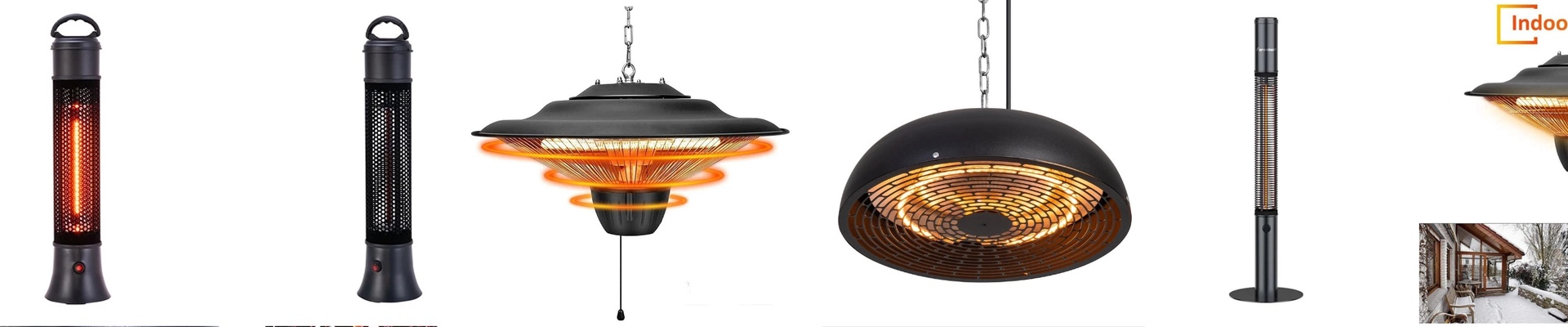
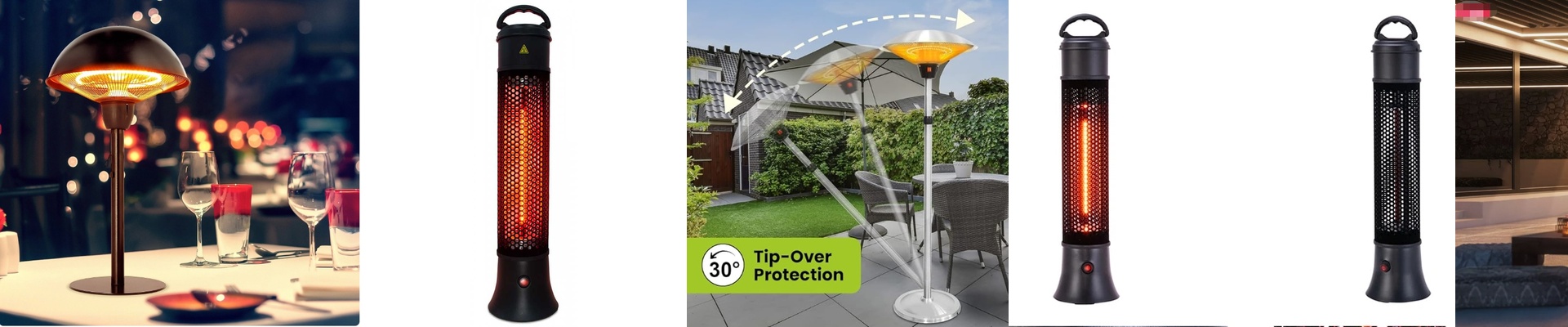

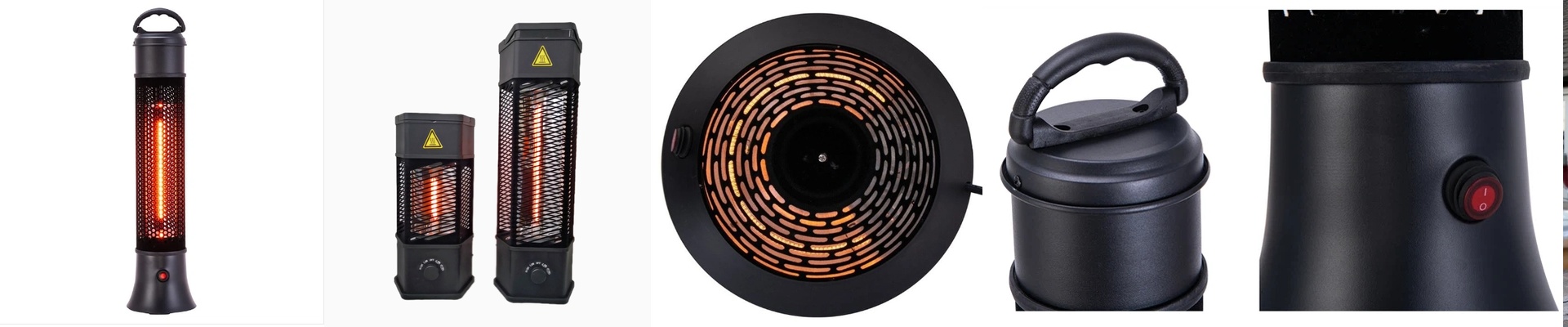
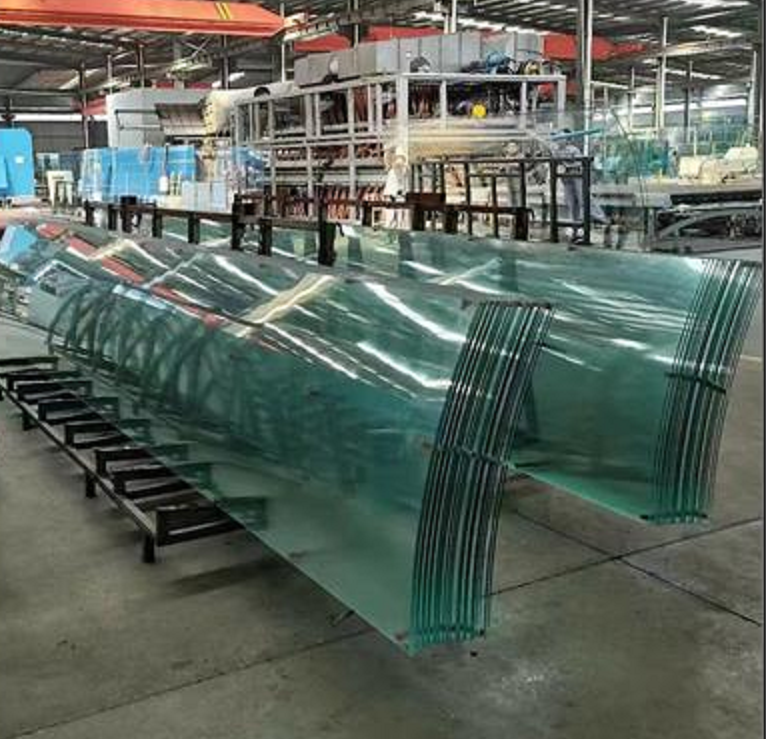
Out on the line, glass doesn’t care about your schedule. Heat it too slow, or let the furnace temperature wander, and you’re staring at warp, optical distortion, and a pile of scrap. An infrared heater for bending isn’t just a heat source—it’s a repeatable thermal process that keeps every sheet inside the narrow window you need for clean bends, consistent temper, and lamination you can count on. What matters under the hood We build these glass-bending infrared heaters around short-wave quartz emitters. They respond fast and pack serious power density, so you get tight spectral control that matches how glass absorbs energy—without wasting BTUs heating air. The payoff is a controlled thermal profile across the sheet, which cuts down thermal stress and keeps edge issues from creeping in. The emitters come modular, in standard lengths and voltages, with termination and shielding that can take the abuse of a real shop floor. Output stays stable, repeatable, and easy to tune for different thicknesses and glass colors. Why this approach sticks in real processes In hot bending, uniform heat prevents local thinning and that annoying spring-back after the press opens. In tempering preheat, it kills cold spots that would otherwise shatter the glass during quench. In EVA/SGP/PVB lamination, it drives the adhesive through the cure quickly and evenly, so you don’t fight bubbles and voids. For coating drying, it pulls solvents out without scorching the substrate. In practice, that translates to shorter cycle times, fewer rejects, and lower kWh per part. The system drops into existing presses and ovens, so you can swap out aging heaters without redesigning the line. The details that make or break it Infrared works best when you treat it like an optical system, not just a heater. Keep reflectors clean and aligned—if they drift, uniformity goes with it. Emitter life depends on stable voltage and controlled ramp rates, so a regulated supply and disciplined heating profiles matter. We spell out compatibility and mounting dimensions so the install is straightforward, but it’s worth double-checking your control strategy. PID tuning and solid temperature feedback will decide whether you get the performance you’re after—or a headache you didn’t budget for.