

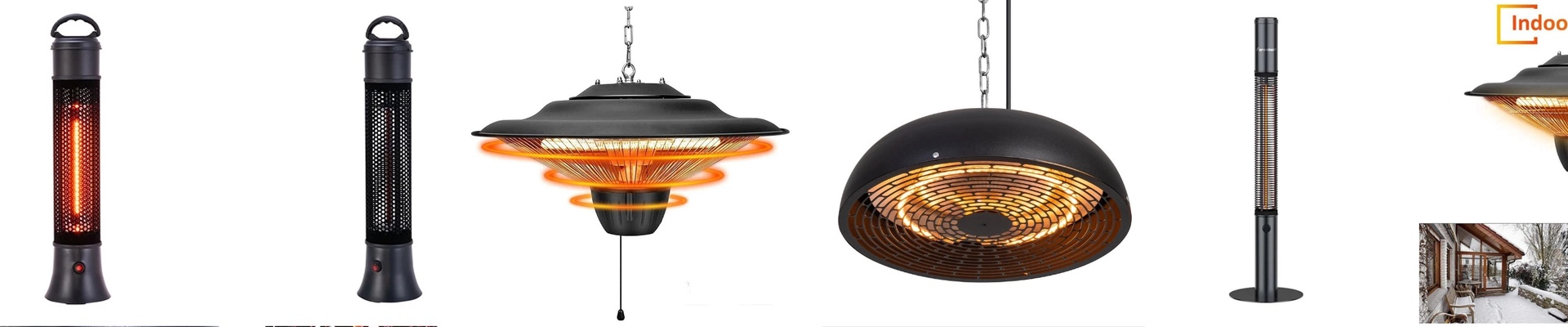


When the bay door’s open and the wind threads through the shop, the hands on the wrench are the ones that matter. Cold steals your feel, slows everything down, and makes every bolt a fight. A plug-in infrared heater doesn’t just warm the air—it throws radiant heat right where you need it: hands, tools, and work surface. So you keep your timing, and your grip.
What’s really going on under the hood
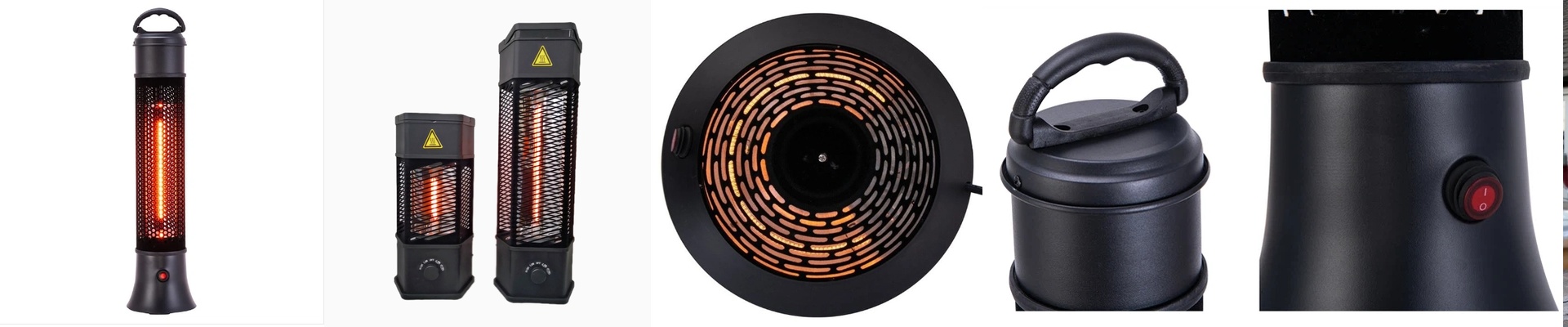
We build these around a short-wave infrared element. It gives you instant, directional heat—no waiting around for it to spin up. At 120V, it plugs into a standard outlet, and the footprint is tight enough to stay out of the way when space is already at a premium. The reflector focuses the beam so the energy hits what you’re pointing at, not the rafters. For control, you get an adjustable thermostat to hold the heat steady, and for safety, there’s tip-over protection and a cool-touch housing. In practice, you can mount it overhead, aim it at the bench, and get consistent warmth without the on-off cycling that kills comfort.
Why this makes sense in a drafty workspace
In a leaky garage, forced-air heat climbs and scatters. Infrared warmth travels in a straight line and gets absorbed by people and objects, so the workstation stays usable even when the rest of the bay is brutal. You get dexterity back—starts are faster, tool engagement is smoother, and you spend less time wrestling with frozen fasteners. Because the heater works locally, it can be more efficient than trying to warm the entire volume. That helps keep energy use in check while you’re running diagnostics, lubricating, or swapping parts.
The details that matter on the floor
Aim matters. Set the heater so the beam covers your primary work area, and keep glare out of your eyes. Maintain clearance from combustibles, and give it a dedicated outlet—don’t share the circuit with high-draw tools. If you’re running in a very windy bay, pick a model with an IP-rated housing. A protective shield can help maintain the beam’s focus when the air’s moving hard.