


The real test of RV life isn’t the open road—it’s the nights that come on hard and fast. With battery banks and shore power that’s never as generous as you’d like, a heater that pulls a lot of amps can drain your reserves in a hurry. You end up cold, and the trip gets cut short.
What matters under the hood
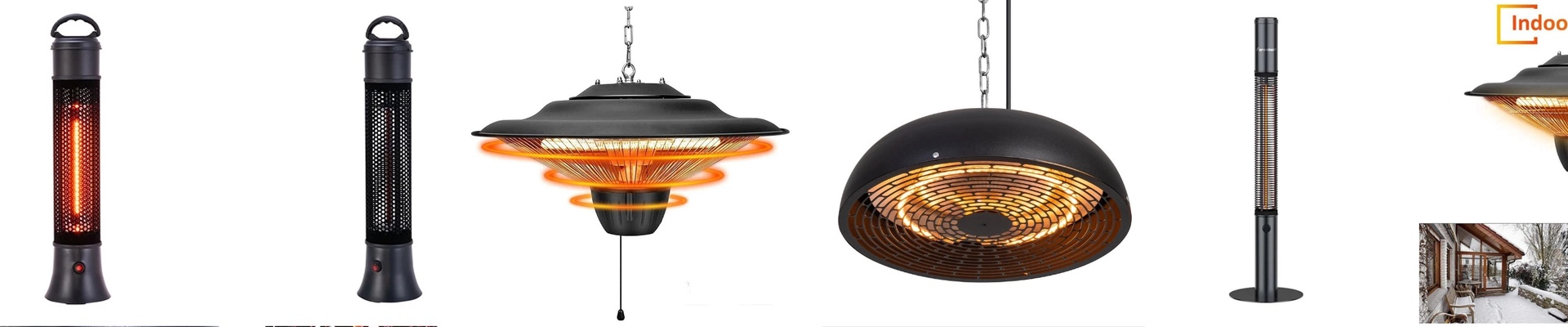
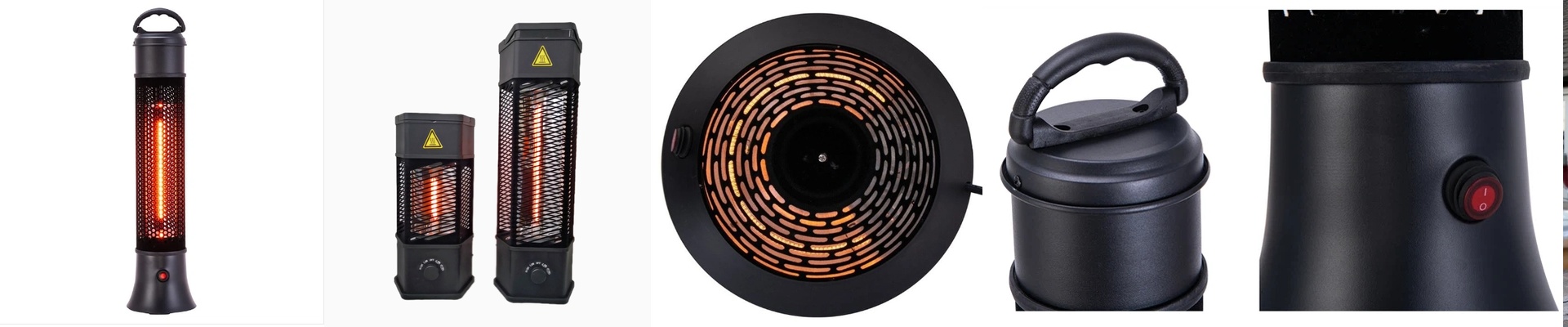
We built this compact infrared electric heater around a carbon fiber element. It heats up fast, holds steady, and doesn’t hammer your electrical system with big current spikes. It runs on a standard 120V outlet and draws 1,500W, delivering focused radiant heat that warms people and objects directly—not the air around them. You feel comfort sooner, and you don’t lose as much warmth to drafts. The unit has an adjustable thermostat, tip-over protection, and a sealed quartz-tube construction that can take the jolts of life on the move.
Why this approach fits RV and off-grid use
RV and off-grid setups live and die on watts, plain and simple. Infrared warmth travels in straight lines, so it hits you where you sit without having to heat the whole cabin volume. That direct transfer keeps you comfortable while keeping energy use in check, so you can run it through the evening without flattening the house battery. The footprint is small enough to slip under a bench or park near a bunk, and it runs quiet—no fan noise, just steady heat.
The details you’ll actually care about
This heater is for indoor use in your RV, not for exposed outdoor environments. Plug it into a dedicated 15A circuit, and don’t run other loads off the same outlet. For the best results, point it at the main seating area and keep the path clear—radiant heat works best when it can reach you. On bitter mornings, pair it with a well-insulated space and a small thermal blanket behind the unit to keep the warmth where you want it.