
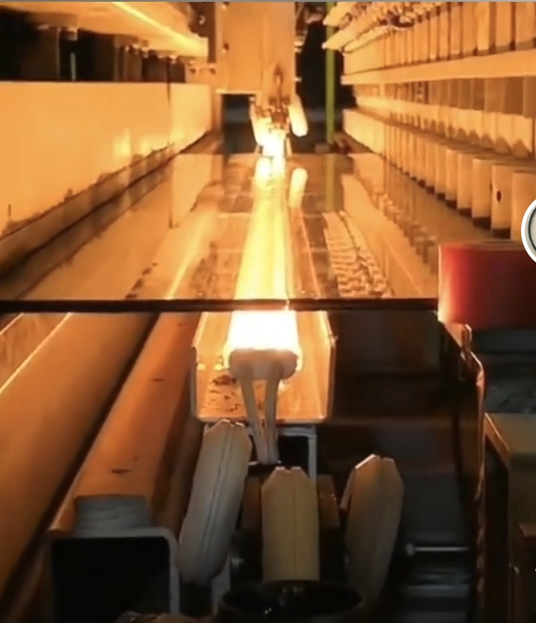
Stop Treating Your Score Line Lamps Like Lightbulbs
Most people buy glass score line lamps the way they buy a pack of batteries. They check the wattage, check the length, swap the old one out, and then act surprised when the glass still cracks or the line looks like a jagged mess. Here’s the thing: we aren’t just shipping you tubes. We’re looking at the actual thermal heartbeat of your production line.
It’s all about the heat density
A lot of people think it’s just about getting things hot. It’s not. It’s about where that heat goes. When we pick a high-wattage halogen quartz tube, we’re really managing how the glass expands. If your voltage is off or you crank the power up too fast, you get these nasty little hot spots. That creates internal stress. Suddenly, you’ve got a problem. We spend our time figuring out the exact amount of power per centimeter needed to soften the glass just enough for a clean snap, without ruining the rest of the sheet.
The nitty-gritty: Materials and Plugs
We stick with high-purity quartz because it can take the heat without warping. And about those connectors—whether it’s an R7s or an SK15—it isn’t a matter of what “looks” better. It’s about the footprint and how much electrical load it can actually carry. If your socket is charred or burning out, your lamp probably isn’t the culprit. It’s usually a loose connection creating resistance. Resistance equals heat. And heat kills your hardware.
The tug-of-war: Speed vs. Life
There is a trade-off here, and there’s no way around it. If you push a lamp to its absolute limit to get a blistering fast heat-up time, you’re killing the filament. You’ll be replacing tubes every few months. It’s a headache. We help you find that sweet spot. You want a clean score, but you don’t want to be climbing into your machine every two weeks to swap out a burnt-out bulb. Honestly? We’d rather just come see your machine in person. A datasheet tells us what a lamp should do. A site visit tells us why your current setup is actually failing.