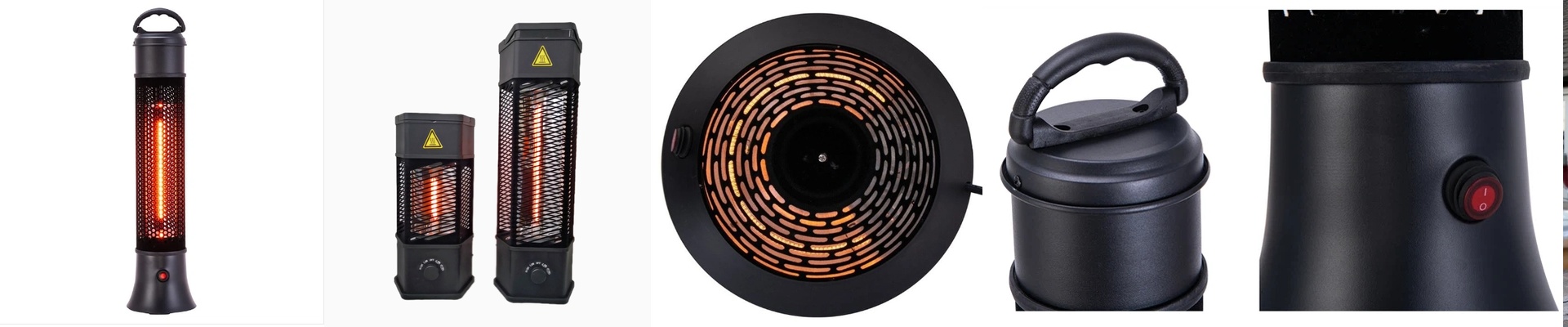
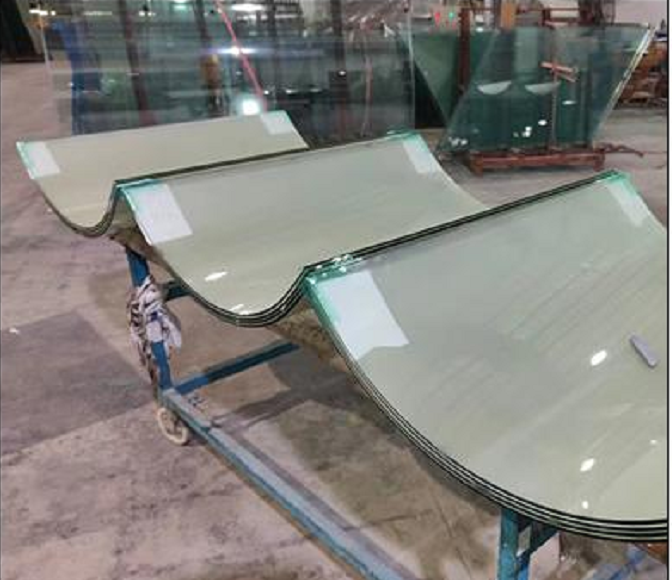
On the bending line, uneven heat shows up immediately—wavy edges, optical distortion, and glass that cracks during forming. When the thermal field is off-balance, you end up chasing setpoints, scrap climbs, and the furnace runs longer just to make up for it. We built our uniform heating modules to deliver repeatable, even heat across the entire sheet, so the bend lands on geometry, shift after shift. We use short-wave quartz emitters in a dense, controlled layout to cut down convection drift and edge cooling. The thermal profile stays flat across the glass, and recovery is quick after loading. Power density is matched to typical bending cycles, and the module fits standard machine footprints, with terminals and shielding that hold up in an industrial plant. In practice, that translates to less thermal stress, tighter repeatability on radius and flatness, and fewer tweaks between orders. This setup earns its keep where it matters: architectural curved glass, automotive backlites, and specialty bent units running back-to-back. You get faster heat-up, stable dwell behavior, and consistent curvature from piece to piece—supporting higher throughput without pushing the furnace past safe limits. Energy use falls because you aren’t over-driving hot zones just to fix cold spots. Installation is straightforward on most bending furnaces, but alignment and emitter-to-glass distance have to stay within tolerance. Plan on a short commissioning run to lock in the profile for your most sensitive thicknesses. Once set, the system holds with minimal drift, and maintenance is predictable—scheduled emitter checks and clean reflectors keep output even.