Fixing Those Annoying Cold Spots in Your Glassware
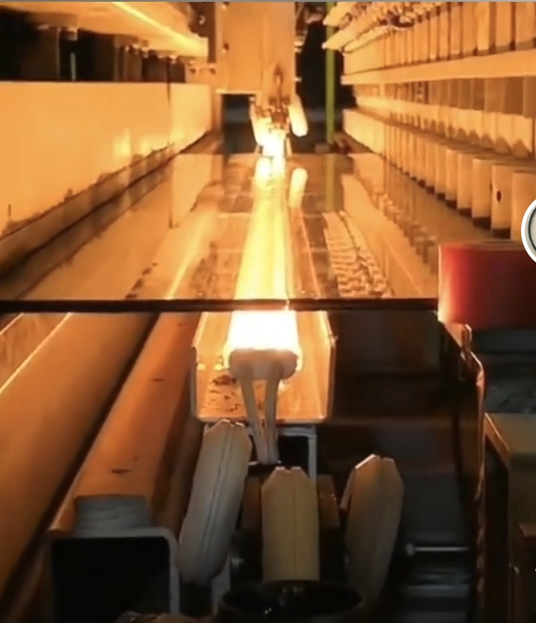
If you’ve spent any time with annealing kilns, you know the frustration of “dead zones.” It’s a nightmare. You’ve got a piece with a narrow neck or a wide, flared base, and no matter how much you crank the heat, those recessed spots just stay cold. Standard convection heating just doesn’t cut it—the air can’t get in there, and you’re left with uneven glass. That’s where short-wave quartz IR lamps come in. Why this actually works Here’s the thing: short-wave IR is different. It doesn’t just sit on the surface of the glass like medium or long-wave heat does. It actually sinks in. Instead of praying that the hot air circulates into every nook and cranny, we set these lamps up in a multi-angle array. It basically lets you “shoot” the heat directly into the shadows created by the shape of the bottle or vessel. No air circulation required. It just hits the glass. Period. The gear under the hood We don’t mess around with the materials here. We use high-purity quartz envelopes because these things go through a lot of thermal stress when they cycle on and off. Inside, most of our high-output units use a halogen-filled tungsten filament. Depending on what your power grid looks like, we can tweak the voltage. Why? Because if you want a longer tube, you don’t want the heat to drop off at the ends. A higher voltage keeps the heat density steady from one end of the vessel to the other. Getting it running (and a word of caution) Setting these up is pretty painless. We use standard R7s or Sk15 connectors, so if a lamp goes out, you just pop it out and drop a new one in. Plus, these things hit full temp in seconds. Your cycle times will plummet. But be careful. This heat is intense. If you go overboard with the wattage and don’t have a solid zoning plan, you’ll end up with hot spots. And we all know what happens then—thermal shock, and a lot of wasted glass. To do this right, you need a decent PID controller and some high-grade reflectors. That’s how you bounce the energy exactly where it needs to go, killing those dead zones without breaking the glass.