
Technical Deep-Dive: Power, Voltage, and Footprint
Here’s the thing about bathroom heaters: they have one job—to make a steamy, humid room feel warm and comfortable. And to do that right, you’ve got to match the power to the space. It’s pretty straightforward. A bathroom around 2.5 square meters needs about 250 watts. Step up to 4 square meters, and you’re looking at 400 watts. Stick a 400-watt heater in a tiny room, and you’re just throwing money away. Underpower a bigger room, and you’re stuck in a cold, endless loop—the heater runs forever, and the room never really warms up. We run our heaters on standard voltage, but the real magic is in how much power we pack into the tube. The design keeps the internal filament from overheating, even when it’s working hard. And the length of the tube? That’s what gives you the coverage. A longer tube spreads the heat over a wider area, which means you get even warmth across the whole bathroom—no hot spots, just steady, reliable heat.
Material & Design: The Halogen Core
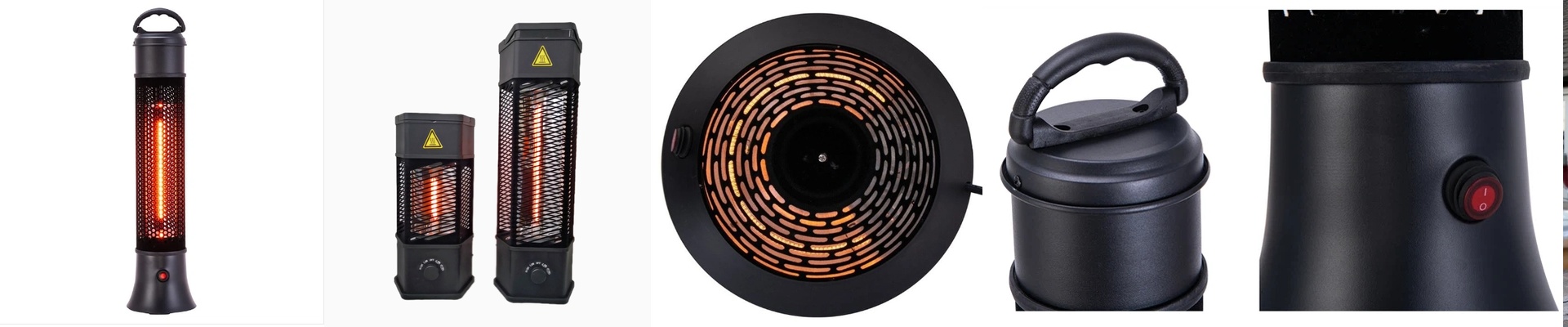
The tech inside the tube is shortwave halogen, and that’s not just a fancy buzzword. It’s a real, physical choice that makes a difference. The halogen cycle keeps the quartz envelope clean, so the lamp stays bright and hot throughout its life—no dimming, no blackening. And that quartz glass? It’s tough. It handles sudden temperature changes without cracking, and it’s sealed tight to an IP rating that can take direct splashes. Then there are the connectors. We use rugged, two-pin ceramic bases that click in and stay put. They handle the high current without sparking or melting, so you get a solid connection every time—even when the heater gets switched on and off again and again.
Application & Benefits: Engineer-Focused Installation
On the job, you need a heater that installs fast and just works. That’s why we built these as direct, drop-in replacements. The waterproof seal is built in, so you don’t need extra gaskets or housings. Less fiddling. More finishing. And the payoff? It’s all about speed and efficiency. Infrared heat warms people and objects directly—not the air. So your bathroom goes from chilly to cozy in minutes, not hours. Now, there is one thing to keep in mind. High-wattage units put out serious heat in one spot, so you want to make sure the surrounding materials can take the temperature. But when you size the heater correctly for the room, you get fast warmth, lower running costs, and a system that won’t burn out because it’s matched to the job.