

Introduction
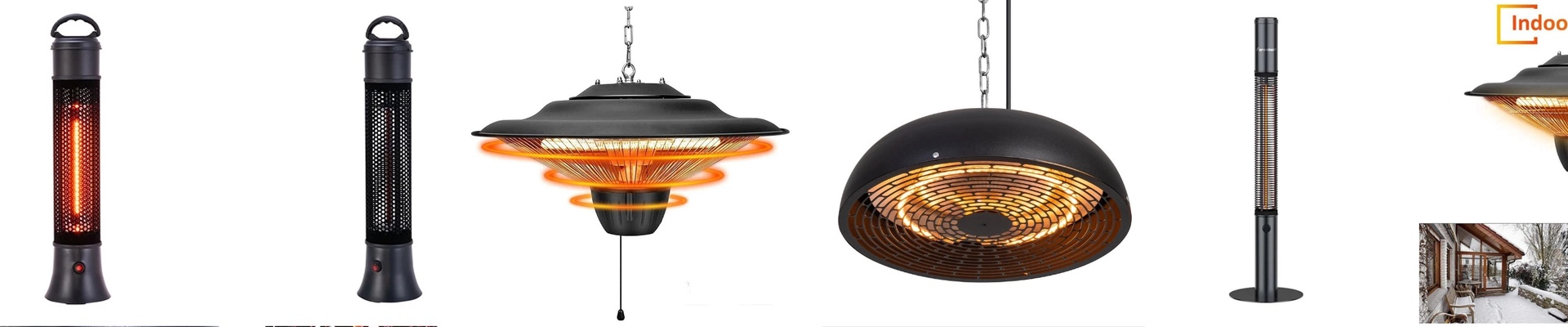
When we set out to build our wall-mount indoor heaters, we had one absolute must: explosion-proof quartz infrared heating. This isn’t just another bathroom heater you toss in. It’s a permanent setup, built to give you focused, radiant warmth—without putting ignition risk anywhere near your space. In wet areas, heating can’t be an afterthought. It has to be treated like what it is: safety-critical equipment.
The How and Why
Here’s the thing about infrared heat: it warms you directly, by radiating energy onto people and surfaces. It doesn’t try to move air around. That means you feel the comfort faster, and you don’t get those annoying drafts. With a wall-mount unit, the real challenge is packing a lot of heat into a small footprint—without creating fire or pressure hazards.
What’s Inside
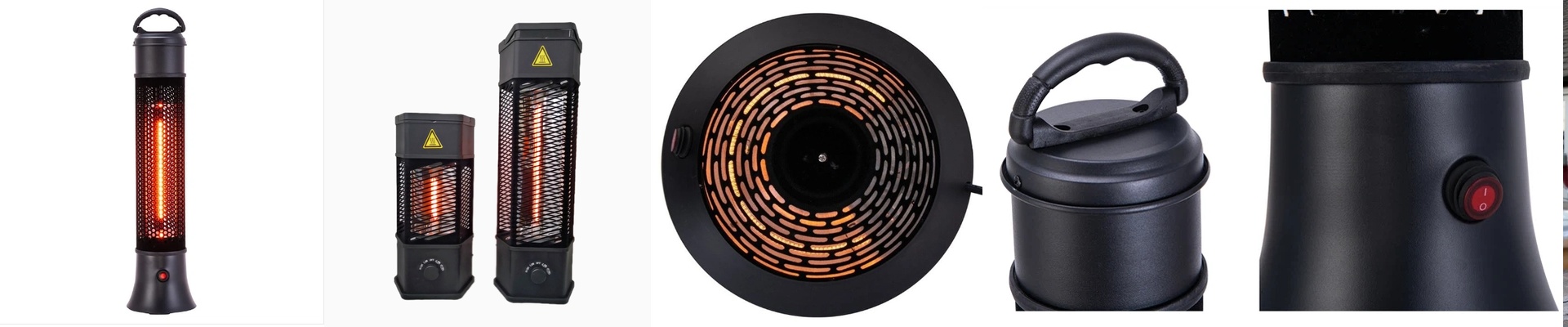
We built the core emitter using a quartz tube, with an internal filament and a controlled atmosphere. Quartz handles quick temperature swings without cracking under thermal shock. That matters, because heaters cycle on and off constantly in daily use. The wall-mount chassis is positioned to keep the emitter at a fixed distance, so you get consistent heat coverage. No guesswork. Just predictable warmth.
Safety, First and Always
When we say “explosion-proof,” we mean containment. If the filament fails, or if the tube arcs under stress, the design has to stop an instant pressure burst from reaching the room. The quartz envelope contains what happens inside. And the housing manages heat and keeps flammable vapors from ever reaching hot surfaces. We also tuned the infrared spectrum for direct heating, with low visible light. So you get warmth without the glare, especially in bathrooms. The tube shape and reflector layout are set to throw heat where you need it—forward and downward—so you’re not wasting output on walls and ceilings.
Where It Shines
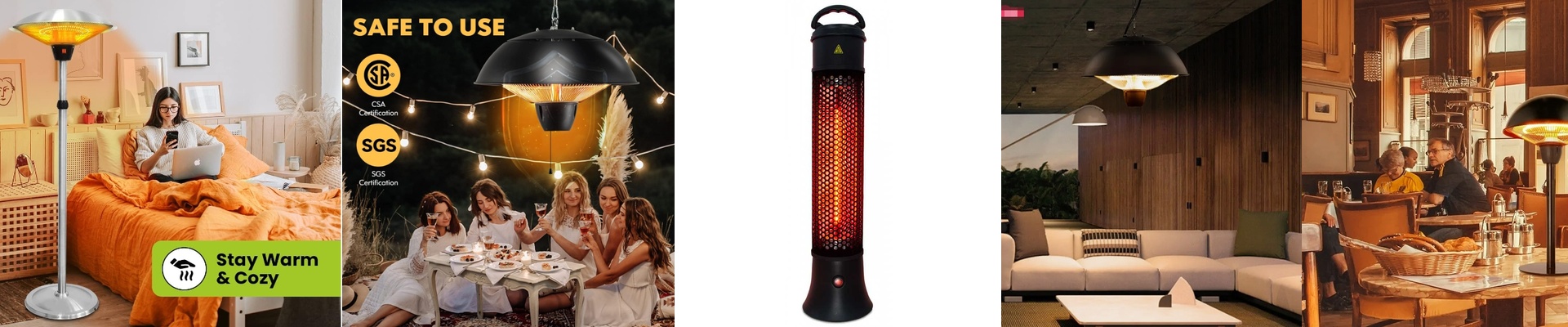
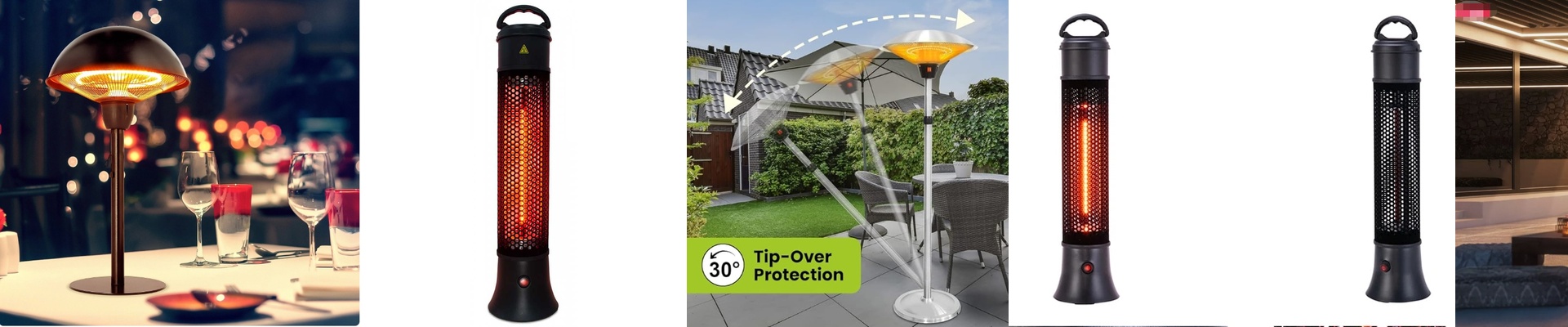
In bathrooms and showers, safety comes down to controlling heat density and surface temperatures. This heater gives you localized warmth fast, so people feel comfortable without cranking up the whole-room system. And because it’s wall-mounted, it stays out of foot traffic. That means fewer trip hazards and a cleaner look.
The Real-World Trade-Off
One thing to keep in mind: high-intensity infrared output needs proper clearance and ventilation. You have to plan for reflected heat and make sure the surrounding materials can handle the thermal load. But when you size the installation right, you get a heater that turns on when you need it, stays dry-circuit safe, and keeps the risk low—exactly where water and electricity share the same space.