


Introduction
We built these wall-mounted infrared heaters for one place: the bathroom. That constant moisture? It doesn’t stand a chance. Our whole focus is simple: give you that warm, focused heat you want, without ever putting your electrical safety at risk. For the engineers specifying these, it’s not just about warmth. It’s about knowing the unit is built to fail-safe—no short circuits, no leakage, no corrosion. Period.
What’s Inside
Here’s the thing about the electrical design: it’s all about keeping things completely separate. The heater runs on standard mains voltage, but the wiring is set up to keep that power far away from the outer shell. Every single connection point is sealed and potted. That creates a physical barrier that moisture just can’t get through. Even if the unit gets sprayed directly, the live parts stay isolated. So you can relax knowing it’s safe.
The Build and Materials
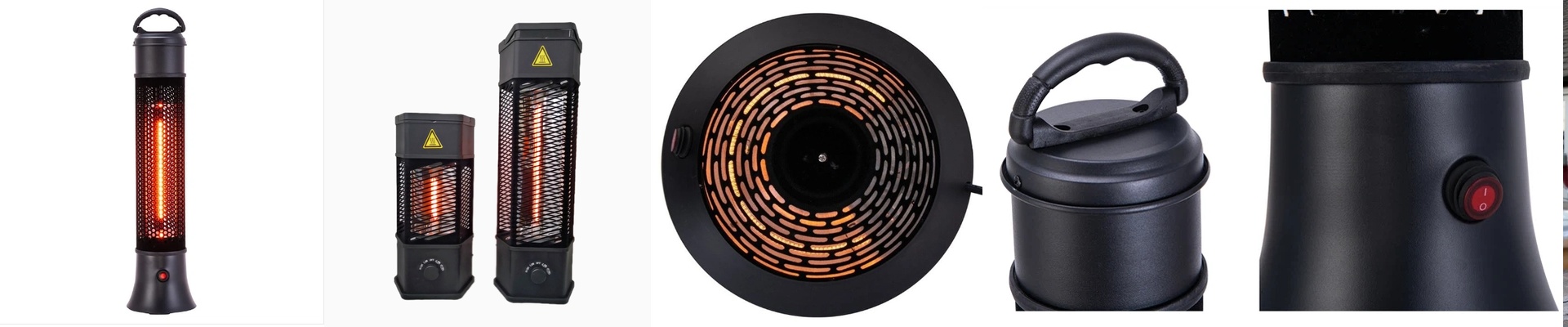
The heating element is a halogen-filled quartz tube. Why quartz? Because it can handle extreme temperature swings without cracking, and it won’t break down from the steam. The halogen gas inside keeps the filament stable, so you get consistent heat and a long life. The housing itself is made from materials that just don’t rust. And the R7s base connector? It locks the tube in tight, so vibration won’t cause any failures. Plus, it’s a direct, drop-in replacement for existing infrared fixtures. That means less time on the job re-engineering things.
Why It Works So Well in a Bathroom
Bathrooms are tough. High humidity, constant steam. But our sealed design keeps condensation from forming on the inside, so you never have to worry about electrical tracking or shorting. And the heat? It’s focused. The infrared beam warms objects and people directly, not the air around them. That’s a huge relief for your ventilation system.
One Thing to Keep in Mind
The trade-off is the heat density. This unit packs a lot of localized power, so you just need to make sure your mounting surface and surrounding materials can handle the temperature. It’s not a flaw. It’s just a fact. A little bit of proper thermal planning during installation, and you’re golden.