
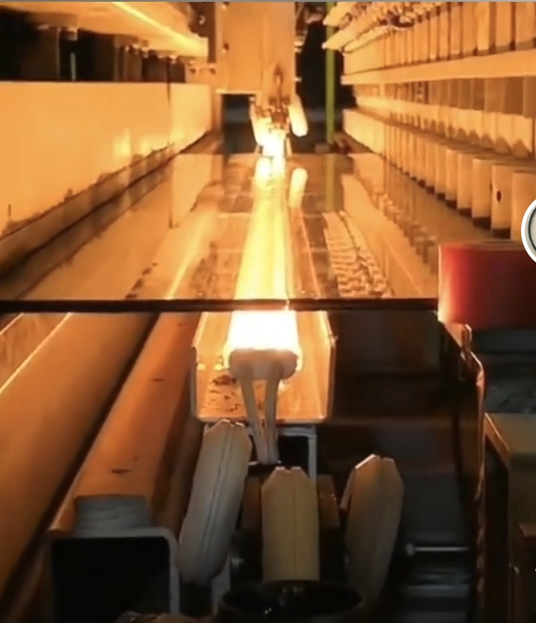
Fixing those annoying “dead zones” in glassware annealing
If you’ve spent any time with annealing kilns, you know the frustration of “dead zones.” It happens all the time—you’ve got a piece with a weird shape or a complex geometry, and it just blocks the heat from getting where it needs to go. The result? Uneven stress and a piece of glass that cracks right when you think you’ve got it. It’s a nightmare. To fix this, we use clear quartz infrared (IR) tubes. Here’s why: convection heating is great, but it’s slow and sometimes just misses the mark. IR is different. It doesn’t care about the air; it just shoots straight through and hits the glass surface directly. Why clear quartz? We stick with clear quartz because it’s basically a window for short-wave radiation. It lets the heat pass right through the tube wall instead of soaking it up. That means the heat actually goes into your glassware instead of just heating up the lamp itself. If you’re working with lab vessels that have narrow necks or deep bases, you need that direct line-of-sight. It’s the only way to make sure every single inch of the piece hits the annealing point. Getting the layout right We don’t just toss one giant lamp in there and hope for the best. That doesn’t work. Instead, we use arrays of smaller, high-density tubes that basically wrap around the workpiece. Plus, you can wire these into different zones. This lets you tweak the temperature for specific sections of the container, giving you a lot more control. But there is a catch. High power density is the goal, but it puts a lot of stress on the hardware. If your cooling fans aren’t up to the task, the quartz tubes will degrade fast. If the ends get too hot, they’ll just burn out. Keep an eye on your airflow. Keeping things running The good news is that these tubes are simple drop-in replacements. We keep the footprints standard, so when a lamp finally blows, you can swap it out without having to tear apart your entire kiln rack. One big warning, though:wear gloves. Clear quartz hates oils. A single fingerprint can create a tiny hot spot, and that’s all it takes to crack the tube during your first ramp-up. Keep them clean, make sure your contacts are tight, and you’ll get the full coverage you need for those tricky shapes.