

Fitting Heat into Tight Spaces: The Truth About Custom IR Radiators
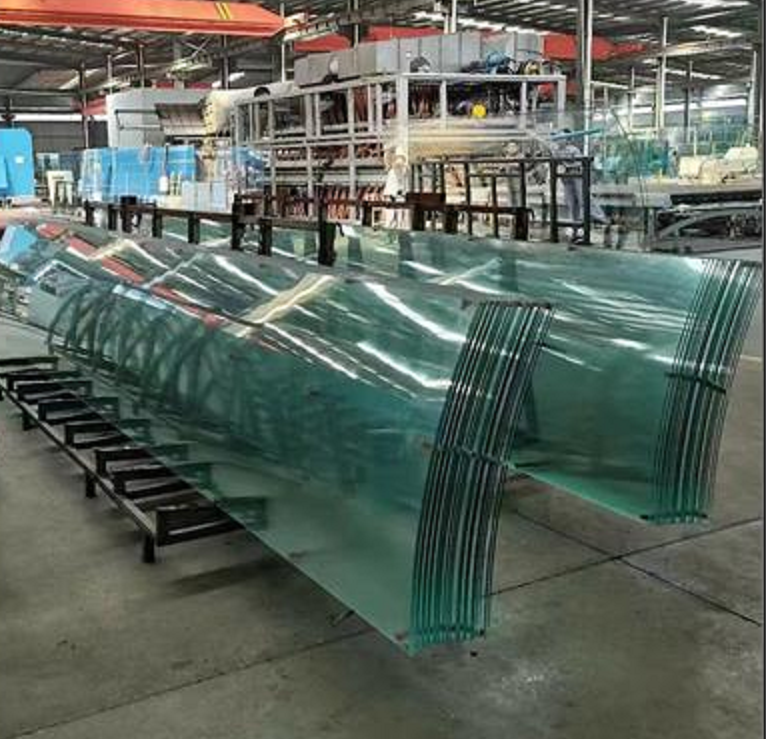
Let’s be honest: designing a bending oven is usually a geometry nightmare. You’ve got a cramped chassis, a specific part to heat, and absolutely zero room to breathe. Then you look at the off-the-shelf infrared lamps and realize they just… don’t fit. It’s frustrating. You end up trying to build the whole machine around the heater, which is backwards. We do things differently. Instead of making you compromise your design, we build the radiators to fit your space. Whether it’s a weird length or a specific curve, we shape the heater to match your heating zone. Getting the heat where it actually belongs When we custom-bend a radiator, you can tuck the heat source much closer to your workpiece. No more worrying about the lamp hitting the frame or getting in the way. The result? A smaller air gap. That means more heat actually hits the material instead of wasting away into the void. We also tweak the wattage per centimeter. This is huge because it kills those annoying hot spots that ruin parts. If you’re running a rapid-cycle process, you need it to react fast. High-density arrays do exactly that. The nitty-gritty: Materials and Fit We use high-purity quartz tubes because they can take the punch of rapid heating and cooling without cracking. And if your material is being stubborn and won’t absorb the heat, we can add specialized coatings to the tubes. It basically shifts the light spectrum so the material “soaks up” the energy more efficiently. As for the setup, we keep it simple. Whether you need a straight tube or something curvy, we make sure the electrical ends match your current wiring. We offer a few different end-cap options so you can just swap them in and get back to work. A quick word of caution Here’s the thing: when you cram a lot of power into a tiny footprint, things get hot. Really hot. If you’re maximizing every inch of space, those oven walls are going to feel the heat. Make sure your insulation is up to the task and your cooling fans are actually moving air, or you’ll cook your chassis. Also, if you’re pushing for extreme wattage in a small box, double-check your power supply and wiring. You don’t want to find out the hard way that your wires aren’t rated for the current draw. Burnouts are a headache nobody needs.