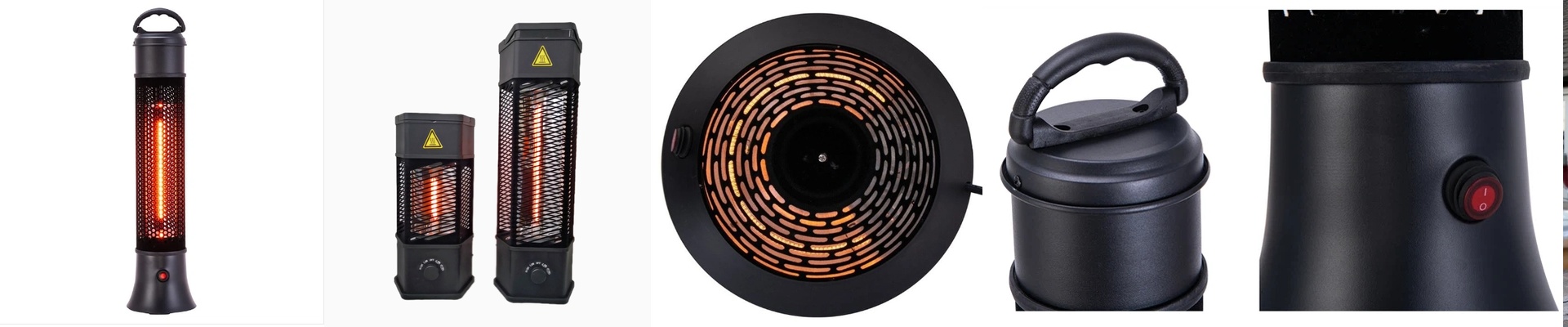
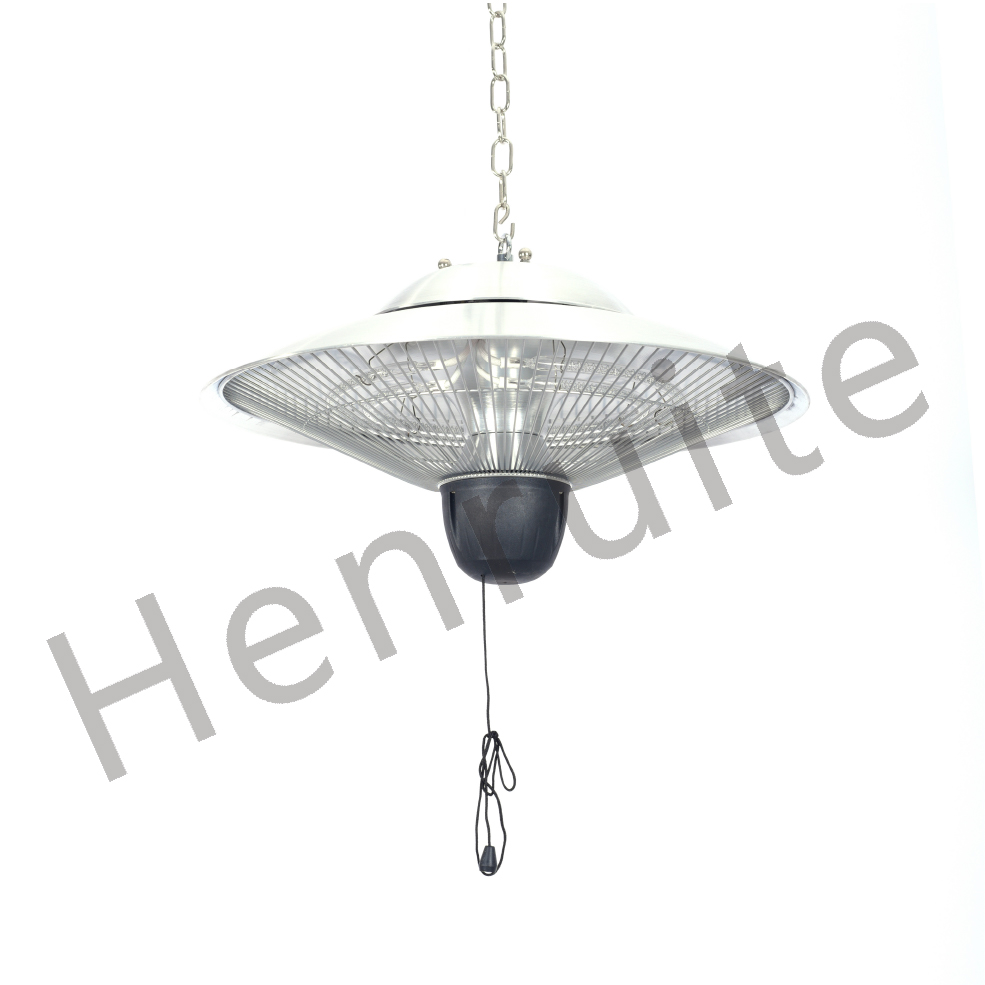
Making Outdoor Infrared Heaters Actually Smart
We build IP65-rated heaters to take a beating from rain, dust, and humidity. But here’s the real trick: the weatherproofing is the easy part. The hard part is figuring out how to connect a power-hungry heater to a tiny, low-voltage smart home controller without everything lagging or, worse, frying.
That “Instant” Feeling
Most heaters try to warm up the air around you, which takes forever. Our infrared units work differently. They send out short-wave radiation that hits you directly. It’s like stepping into sunlight. When you trigger a “Winter” scene on your phone, the element hits temperature in seconds. No waiting around shivering while the machine “warms up.” You just feel the heat immediately.
The Brains Behind the Heat
You can’t just plug a 2000W heater straight into a Zigbee or Matter hub. It would blow the controller instantly. Instead, we use heavy-duty relays. Think of the smart system as the finger that flips the switch, and the relay as the actual heavy-duty switch that handles the big power. And if you don’t want just “on” or “off,” we can add PWM or TRIAC dimming. That lets you slide the heat up or down from an app, so you can find that perfect sweet spot.
A Few Things to Watch Out For
Running these heaters through smart switches puts a lot of stress on your wiring. If you’re putting a few of these in a backyard, don’t skimp on the cables. Cheap 1.5mm² wiring can get dangerously hot under a constant load. Stick with 2.5mm² or higher for those long outdoor runs. It’s just safer. One last tip: while the heater itself is waterproof, the smart controller usually isn’t. You’ll want to tuck your relays inside a NEMA-rated box. Otherwise, the first big storm will turn your smart home into a very expensive short circuit.