Getting the Heat Right for Laser Glass Cutting
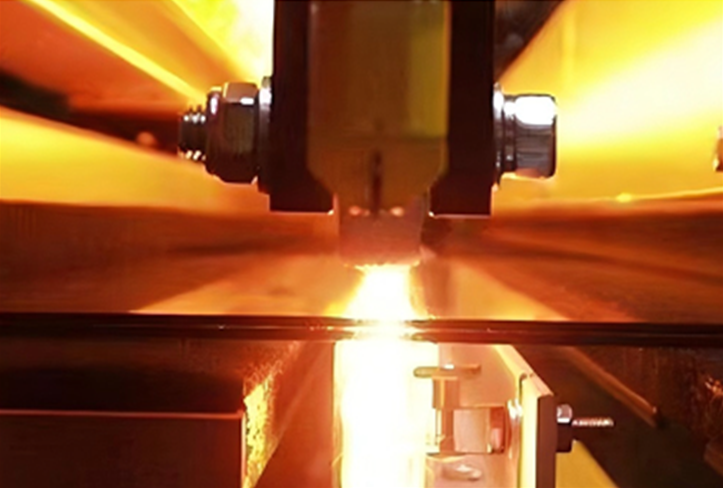
If you’ve ever tried cutting glass with a laser, you know it’s not as simple as just firing a beam and hoping for the best. The real battle is fighting thermal stress. If the glass isn’t prepped right, it cracks. Period. That’s why we build our support heaters. Think of them as a thermal safety net. They keep the glass at a steady, precise temperature before and during the cut so the material doesn’t freak out when the laser hits.
More Than Just a Custom Size
Most shops will sell you a heater in the length you ask for. That’s fine, but it’s not enough. When you’re messing around with new glass compositions, a “one-size-fits-all” heat spread usually fails. Sometimes you need a hot spot in the center, or maybe the heat needs to taper off as the laser moves. We handle this by tweaking the winding pitch of the heating element and the thickness of the quartz envelope. Basically, we control exactly where the heat lands. You can map out the thermal profile to match how your specific material expands. It means you can experiment with new glass without having to rip out and rebuild your entire jig every time.
The Trade-off: Power vs. Pain
Here is the catch: if you cram more wattage into a smaller space, you get a faster ramp-up. That sounds great until you realize that high power density puts a lot of stress on your connectors and the quartz tube. If you’re pushing for extreme heat, you’ve got to make sure your cooling system can keep up. Otherwise, the radiant heat bleed will just fry your sensors and wiring. It’s a balancing act.
Built for the Lab
For the R&D crowd, we make heaters that let you tweak things on the fly. Let’s be clear: this isn’t a “plug-and-play” gadget you buy off a shelf. It’s a tool for engineers who are trying to figure out exactly why glass fractures. We build these things to take a beating in a lab where you’re cycling temperatures up and down all day. By getting the thermal profile exactly right from the start, you spend way less time guessing and way more time actually developing your material.