

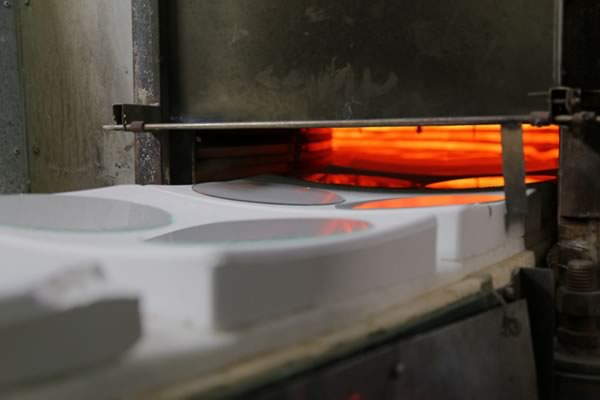
Cutting through ultra-thick glass is brutal on your equipment. When that glass is cold and rigid, your cutting wheels take a massive beating. They chip. They fail. It’s a constant headache. We found a better way to handle it: shortwave infrared (IR) lamps. Instead of fighting the glass, we use these lamps to soften the path right before the wheel hits it. Why shortwave IR? Here’s the thing about standard heaters—they only warm the surface. That doesn’t do you any favors when you’re dealing with a thick slab. Shortwave IR is different. It actually sinks deep into the glass, creating a “soft zone” exactly where you need it. The result? The wheel glides. It stops fighting the material and just moves through it. The nitty-gritty You can’t just blast the glass with random heat. It doesn’t work like that. You need a concentrated beam, which is why we use high-wattage lamps with very specific focal lengths and quartz envelopes. The quartz keeps everything stable even when things get incredibly hot. But a word of warning on the power side. These arrays pull a lot of juice. If your power supply isn’t built for those peak inrush currents, you’re going to run into voltage drops. That leads to uneven heating, and that’s usually when the glass decides to crack right in the middle of a cut. Saving your tools When you pre-soften the path, the mechanical load on your diamond or carbide wheels just drops. They stop burning out. You’ll spend way less time swapping out broken wheels and a lot more time getting clean, consistent score lines. Just be careful not to overdo it. If you crank the heat too high or move the cutting head too slowly, you’ll hit thermal shock. The glass will shatter before the wheel even touches it. It’s all about the balance between lamp intensity and feed speed. Getting the distance between the lamp and the glass exactly right is the only way to make this work.