

Getting the Heat Right: Why Custom Quartz Sleeves Actually Matter
Most off-the-shelf quartz sleeves are built for one thing: uniform heat. But if you’re working in R&D, “uniform” is rarely what you actually need. When you’re developing new materials, a flat thermal profile usually just gets in the way. We look at it differently. For us, it’s all about**power density**. We care about exactly where that energy hits your target and how deep it goes.
More Than Just a Different Size
A lot of shops will ask for your length and diameter, cut a piece of glass, and call it a day. That’s just the basics. The real magic happens when we start talking about wattage-per-centimeter. By tweaking the filament winding and the purity of the quartz, we can actually shift the heat load. This lets you create specific thermal gradients across your sample. If your material tends to degrade the moment it hits a certain peak temperature, we can spec out the power distribution to dodge those hot spots entirely. It saves you from ruined samples and wasted weeks.
The Trade-offs (Because Physics Doesn’t Cheat)
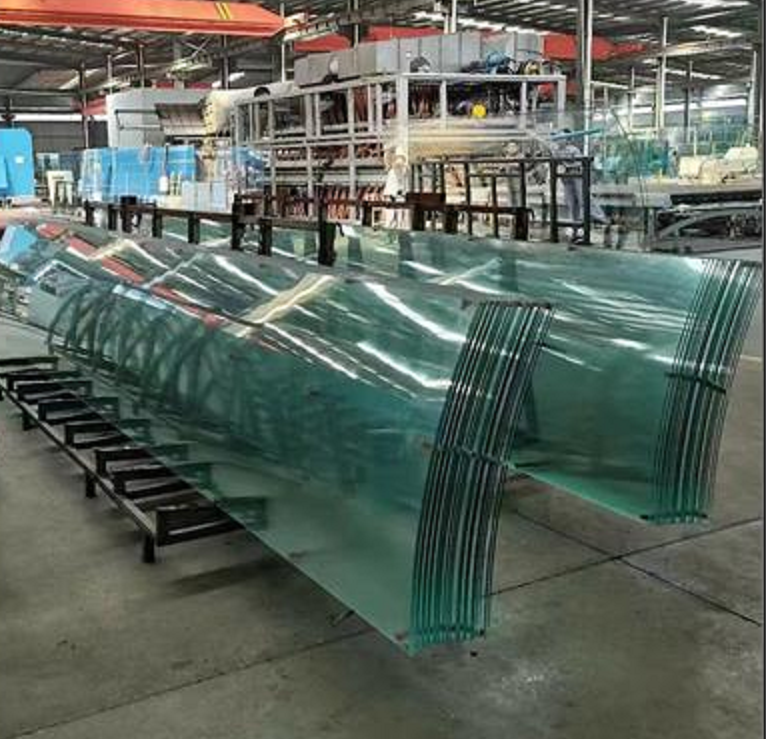
We use high-purity fused quartz. Why? Because it lets UV and IR transmission pass right through. It stops the sleeve from soaking up the energy that should be hitting your substrate. You get a cleaner, more honest heat transfer. But here’s the catch. When you cram higher power densities into a tiny footprint, you put a lot of stress on the glass-to-metal seals. If you push the wattage too hard, those seals will fail. It’s a balancing act. You have to weigh the heat flux you need against what the quartz envelope can actually handle without snapping.
Making Your Life Easier in the Lab
We want to give you more room to play with your setup. Whether you’re messing with a new polymer or a weird coating, we can bend the power curve to fit how you need to ramp up. You tell us the temperature profile you’re chasing, and we build the sleeve to hit those marks. The best part? You can stop fighting with complex PID controllers to make up for a bad heat source. Just wire it up, set your voltage, and let the physics of the sleeve do the heavy lifting. It just works.