

It’s More Than Just a Light Bulb
Most people treat preheating lamps like light bulbs in a hallway. They look at the voltage, check the length, and find something that fits the socket. Simple, right? But here’s the thing: getting the wattage right keeps the lamp from blowing out, but the lamp is only one small part of the puzzle.
The Heat Struggle
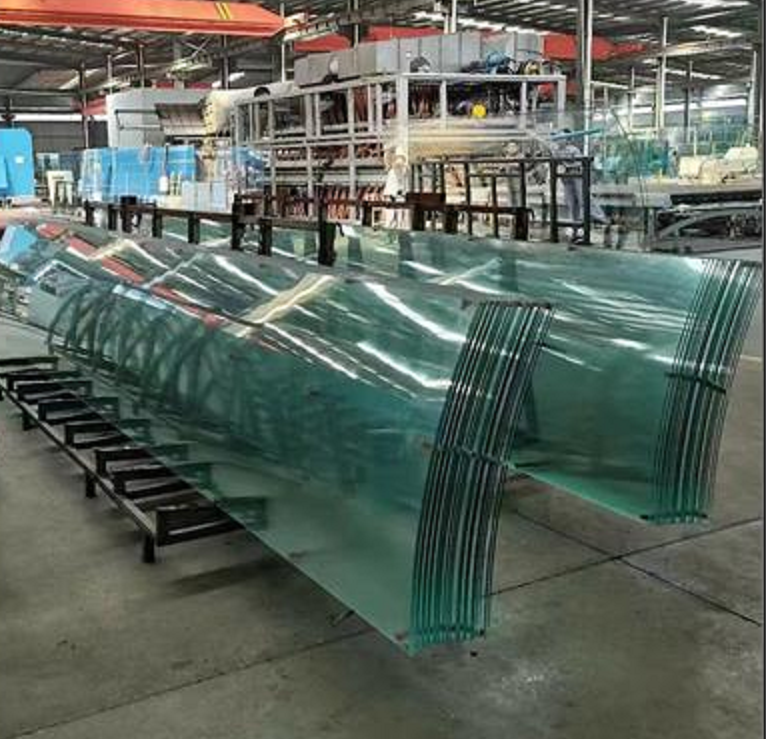
CNC glass cutting is all about balance. You need that specific temperature gradient to stop the glass from stressing out while you’re scoring it. That’s why we use short-wave infrared—it punches through the surface fast. But there’s a catch. If you shove a high-wattage tube into a housing with bad airflow, you’re basically baking your machine frame. It’s a constant tug-of-war. You want more heat to speed up the line, but your cooling system can only take so much before it gives up.
The Details That Actually Save You Money
We don’t just hand you a part number and wish you luck. We look at the whole footprint. Take the connectors. Whether it’s an R7s or a weird specialized pin, if that fit isn’t tight, you get arcing. And arcing leads to melted sockets. Not a fun way to spend a Tuesday. Then there’s the quartz. We’re picky about the purity and the coating of the tube. A cheap coating can shift the emission spectrum, meaning you’re wasting energy heating the air around the glass instead of the glass itself.
Why We Get Our Hands Dirty
A datasheet won’t tell us why your glass is cracking at the edges. It just won’t. That’s why we’d rather come to your shop and diagnose the problem in person. We want to see how the heat is actually spreading across the bed and check if your power supply is acting up. A lot of the time, people think they have a “bad lamp” when they actually have voltage spikes or reflectors that are just slightly out of alignment. We’re here to fix the whole system. It stops that annoying cycle of replacing bulbs every few months and actually lets you get your yield where it needs to be.