



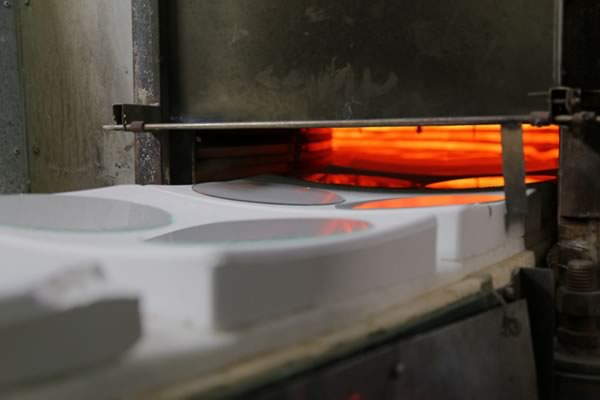
Out on the line, preheating isn’t some optional nice-to-have. It’s the gate that keeps glass from cracking under thermal stress, and it keeps the furnace fed without the line stuttering. When preheat is uneven or dragging, tempering and bending cycles stretch out, lamination entrapment creeps up, and rejects start piling up. We built our industrial glass preheating system to clear that bottleneck. We lean on short-wave infrared quartz emitters tuned to glass’s absorption curve, so the energy hits the surface and conducts inward. Minimal air convection. Input power is sized to your conveyor width and line speed, with tight zone control and repeatable emissivity settings. The payoff is a uniform thermal field across the sheet and fast ramp rates that keep up with high-throughput lines without overshoot. That translates into real-world production. You get more consistent bending and tempering because thermal shock is reduced, so edge and corner fractures drop. In lamination, a controlled preheat cuts entrapment and voids, and first-pass yield climbs. Energy use falls because the emitters are efficient and the zones only pull what’s needed to hold temperature, not to chase cold spots. Maintenance stays sane, too: modular emitter assemblies and accessible mounts mean you can swap components in short downtime windows, which trims overtime and keeps spare inventory lean. One practical heads-up: the system needs to be aligned to the conveyor and shielded from drafts to maintain temperature uniformity. Plan for clean power and proper grounding, and make sure your line speed and glass thickness match the zone dwell time. Get those basics nailed down, and you’ll have a stable preheat profile that keeps glass processing repeatable, day after day.