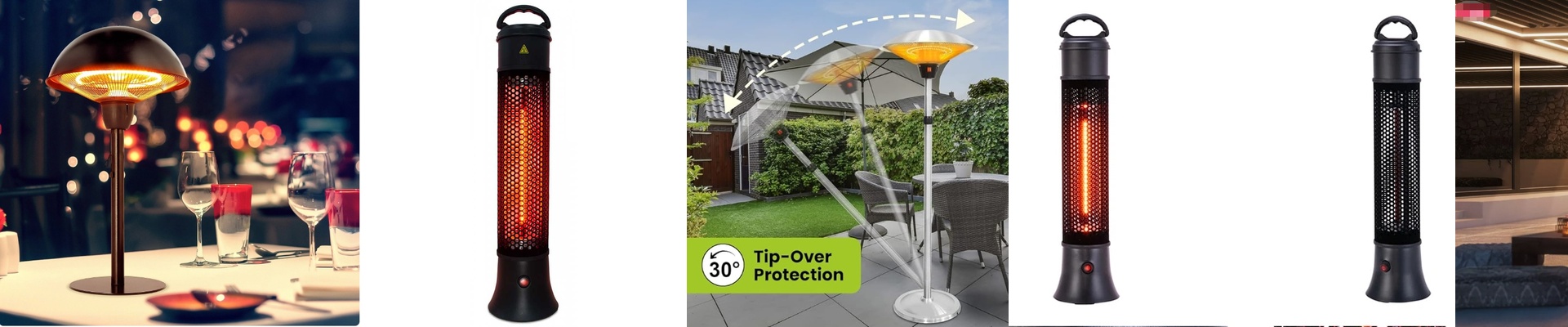
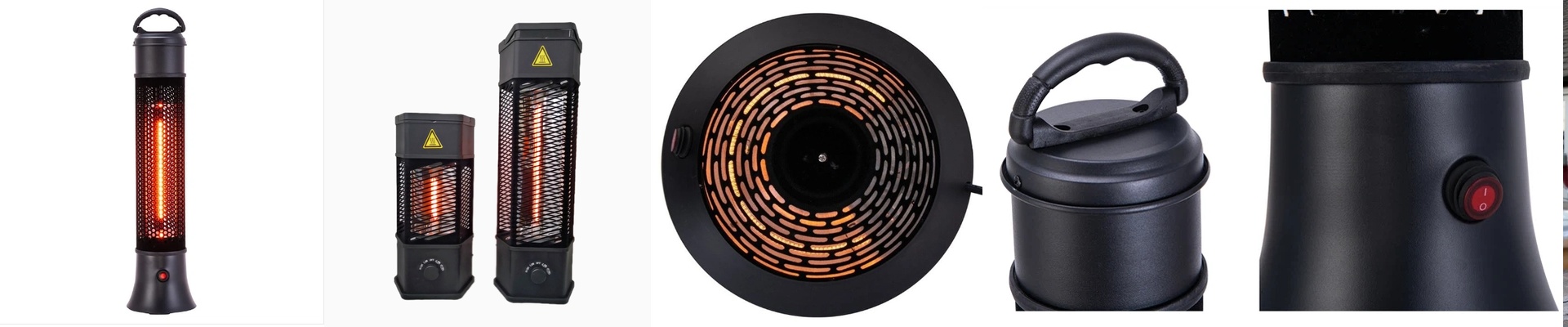

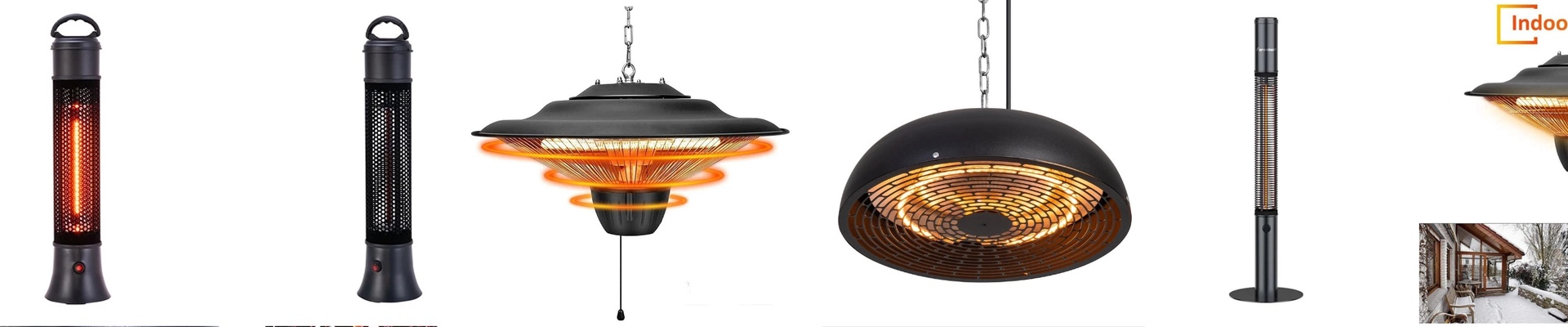

Why we’re ditching those old bathroom heat lamps for infrared
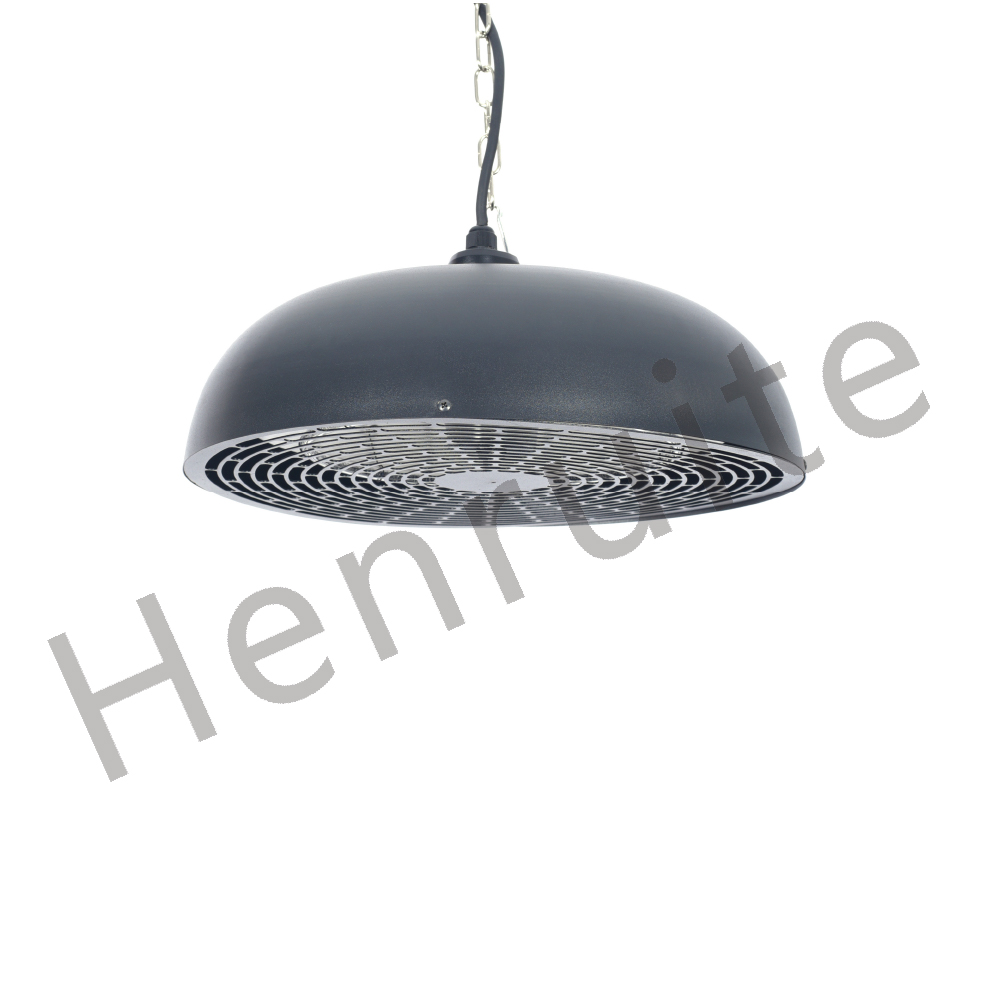
Ever notice how those old-school halogen heat lamps always seem to burn out right when you actually need them? It’s a classic problem. You’ve got a bathroom full of steam, the seals on the lamp are leaking, and eventually, the bulb just gives up. That’s why we’re seeing everyone switch over to high-IP infrared heaters. They just make more sense for a room that’s basically a sauna. The difference in how they actually heat you Here’s the thing about those old lamps: they try to heat the air. But air is slippery; it moves, it cools, and it wastes energy. Infrared is different. It uses short-wave radiation to heat you and the surfaces around you directly. It feels more like standing in a patch of sunlight on a cold day. It’s faster, and you aren’t wasting electricity trying to warm up every cubic inch of the room. Let’s talk about the water problem In a bathroom, “waterproof” isn’t just a fancy feature—it’s the only thing keeping you safe. The newer infrared units come with IP44 or IP65 ratings. In plain English? They use heavy-duty silicone gaskets and sealed cables to keep moisture out of the electrics. No more worrying about steam creeping into the housing and causing a short circuit, which happened way too often with those open-face designs. A quick word of caution These units use quartz tubes with special coatings to get the heat moving fast. But because they’re so powerful, you have to be smart about where you put them. If you mount the heater too low, it can get way too hot for your skin to touch. Get the height right, and it’s perfect. Get it wrong, and you’re asking for a burn. Setting it up The best part is that we’ve moved away from those fragile, annoying bulbs that you had to hunt for at a specialty store. Now, it’s all integrated arrays. Fewer parts to break, fewer things to replace. If you’re renovating, it’s a pretty simple swap. You can usually use your existing 220V circuit, though you’ll want a dedicated breaker since these arrays pull a bit more current. As long as your ceiling can handle the weight of the sealed housing, you’re good to go.