Getting Low-E Glass Preheating Right (Even When It’s Huge)
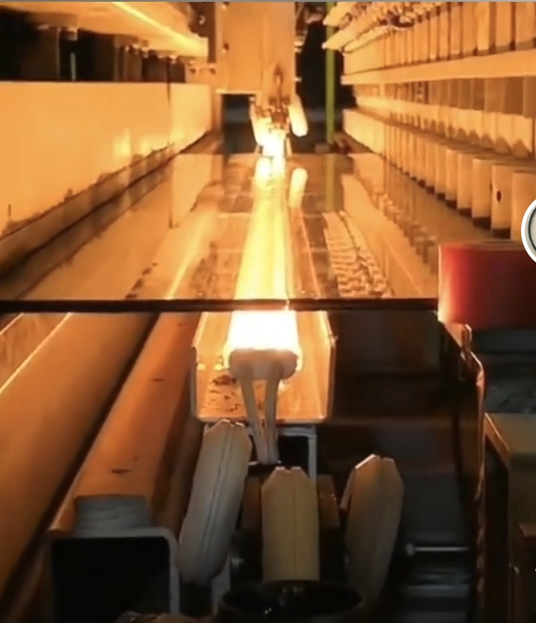
If you’re working with Low-E glass on a scale wider than 3 meters, you know the struggle. You need the heat to be dead-on across the entire sheet. But here’s the problem: standard, off-the-shelf lamps just can’t handle that kind of width. You end up with cold spots, and cold spots mean coating defects. It’s a nightmare. That’s why we build custom, continuous infrared units. We basically kill the cold spots before they can ruin your batch. The battle with length and power When a lamp unit stretches past 3 meters, things get tricky. You start dealing with voltage drops and thermal expansion. It’s a physics problem. To fix this, we use high-wattage quartz elements. We don’t just throw them in; we carefully calibrate the filament loading. Why? Because if you don’t, the ends of the glass will be cooler than the center. One quick tip: make sure your power supply can actually handle the load. If your power sags, your heating becomes uneven. Simple as that. Built to actually last We house everything in heavy-duty quartz glass. For Low-E jobs, we usually go with short-wave emitters. They hit the glass surface fast and hard, which is exactly what you want. These units aren’t delicate. They’re built for the grit of a real factory floor. We even added reinforced mounting brackets because, let’s be honest, a 3-meter tube wants to sag under its own weight. We make sure it stays straight. Fitting them in (and a warning) These are designed to be drop-in replacements. They plug right into your existing PLC without a fuss. But here is the catch. When you pump that much IR energy into a wide tunnel, it getshot. Really hot. If your ventilation isn’t up to the task, you’re going to fry your wiring and melt your sensors. Before you install these long units, double-check your airflow. You don’t want to accidentally cook your own machine frame.