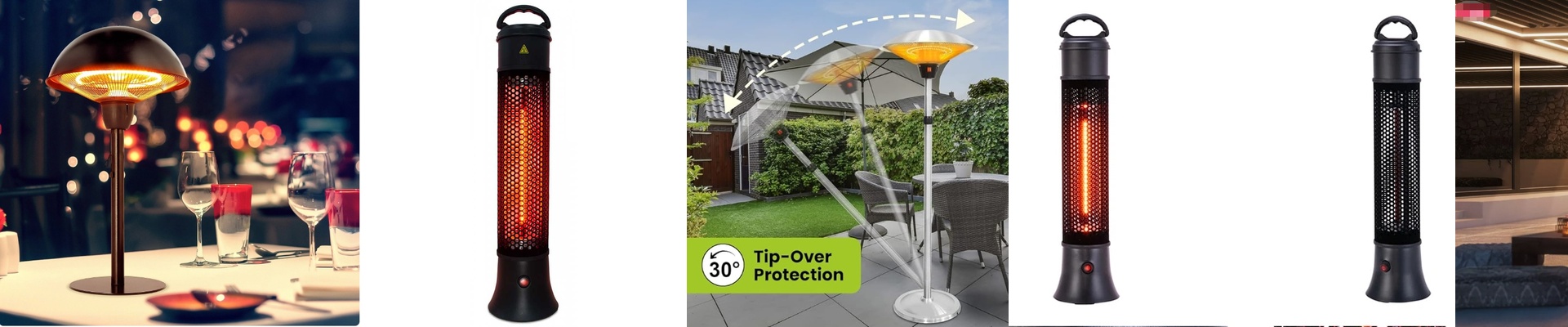
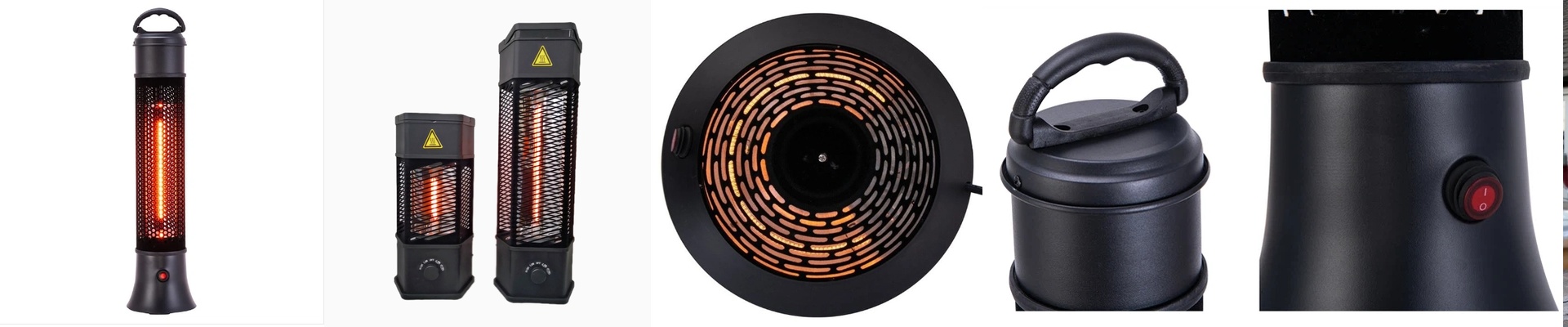
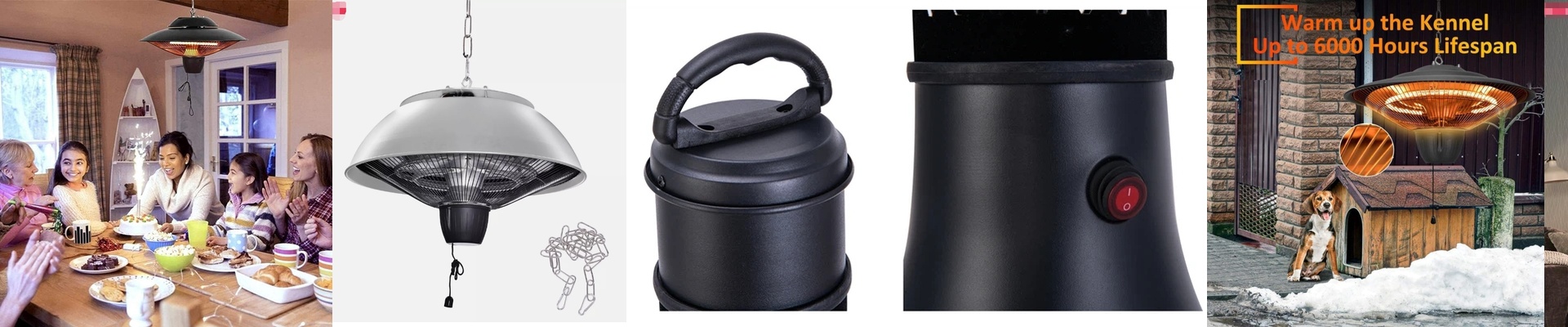
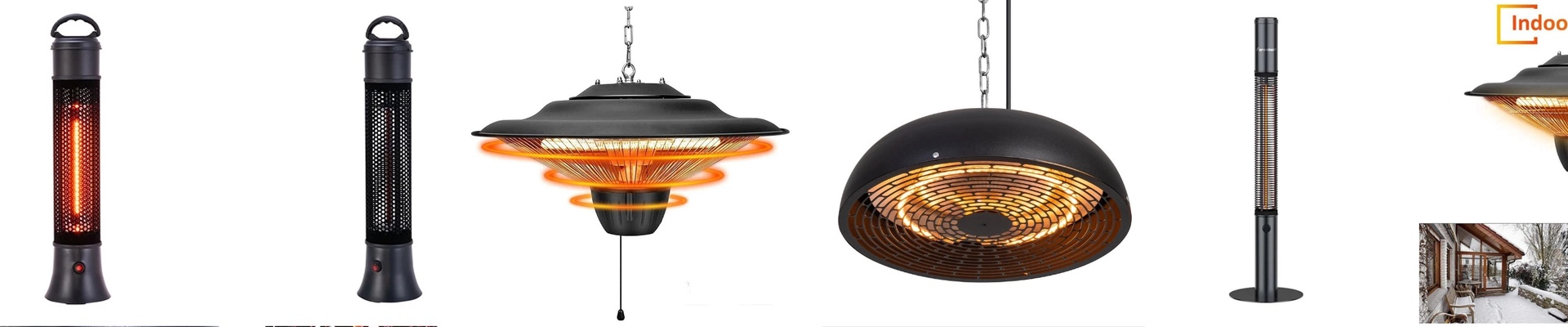

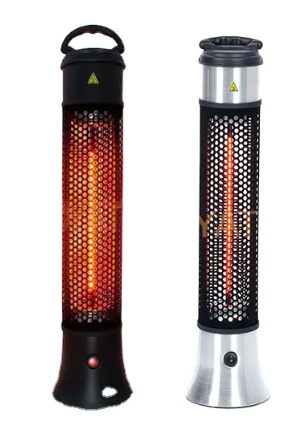
Nightclub patios are brutal. You’ve got humidity, spilled drinks, and that salty sea air—it’s a recipe for disaster for most electronics. Usually, when a heating element finally gives up the ghost after a few years, you’re stuck. Most waterproof heaters are sealed shut, so if one tube burns out, you basically have to toss the whole fixture in the trash. It felt wasteful. So we did something about it. We built these heaters with a modular chassis. Instead of soldering everything into one big, permanent mess, we use shortwave infrared tubes that sit in their own independent modules. We swapped the hard-wiring for quick-connect terminals. What that actually means for you? If a tube dies in year five, you don’t have to call in a full electrical crew or rip the whole thing off the ceiling. You just slide out the dead tube, drop in a new one, and you’re back in business. The tricky part is the waterproofing. Normally, to make something waterproof, manufacturers just pour resin over everything. Great for the rain, terrible for repairs because you can’t get inside without a hammer. We took a different route. We used IP-rated gaskets where the module meets the frame. It keeps the guts of the machine dry, but it doesn’t lock you out. You get the heavy-duty heat you need for an open-air patio, but you can actually fix the thing in the field. Now, there is one thing to watch out for. These tubes get incredibly hot. Because the design is modular, you have to make sure those locking clips are snapped in tight. If the fit is loose, you risk arcing or overheating the socket. Just double-check that the connection is flush—it only takes a second, and it keeps the housing from wearing out. Sure, the initial cost of the chassis is a bit higher. But you stop paying the “disposable tax” of replacing entire units every couple of seasons. It’s just a smarter way to own your gear.