
Making Your Patio Actually Usable: Smart Infrared Heating
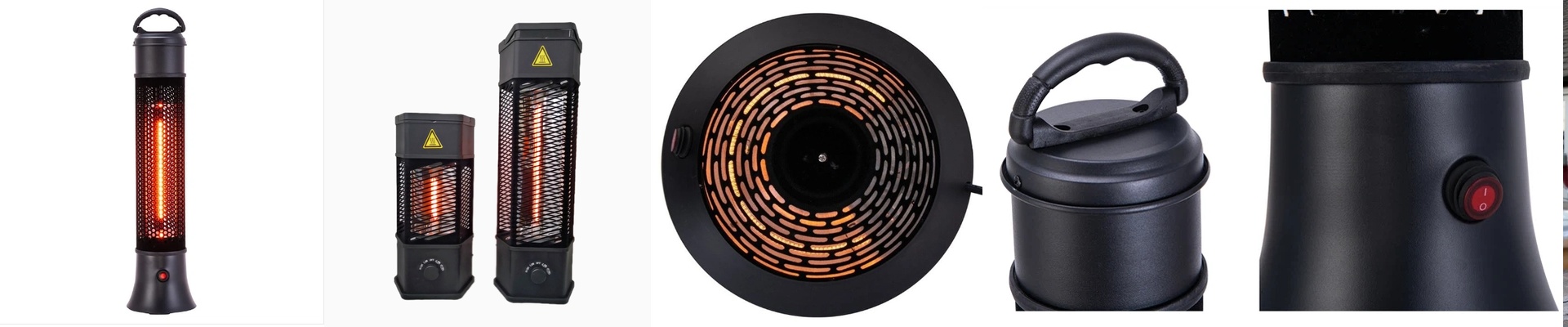
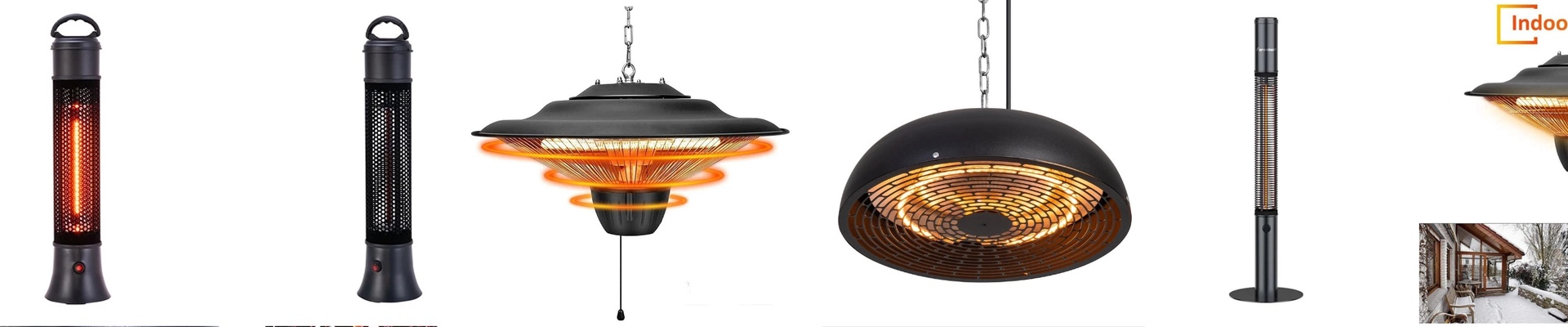
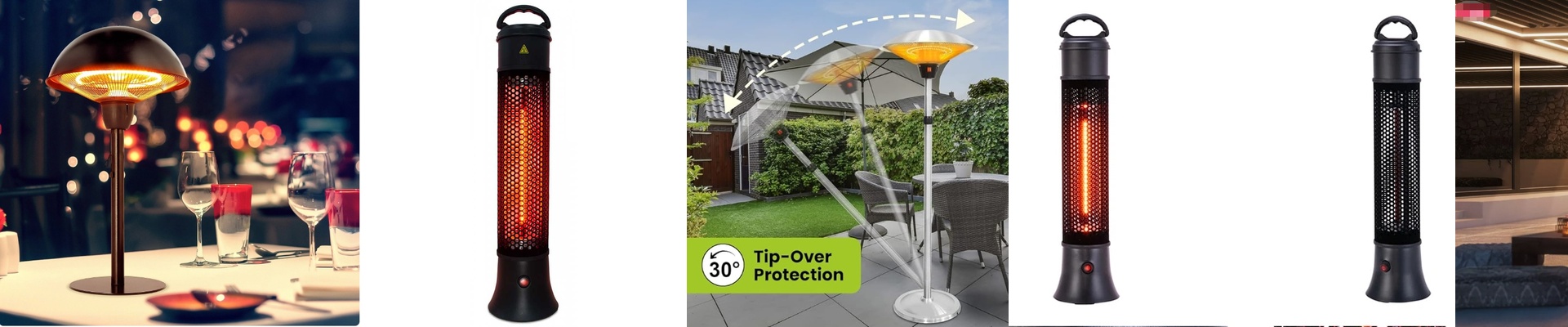
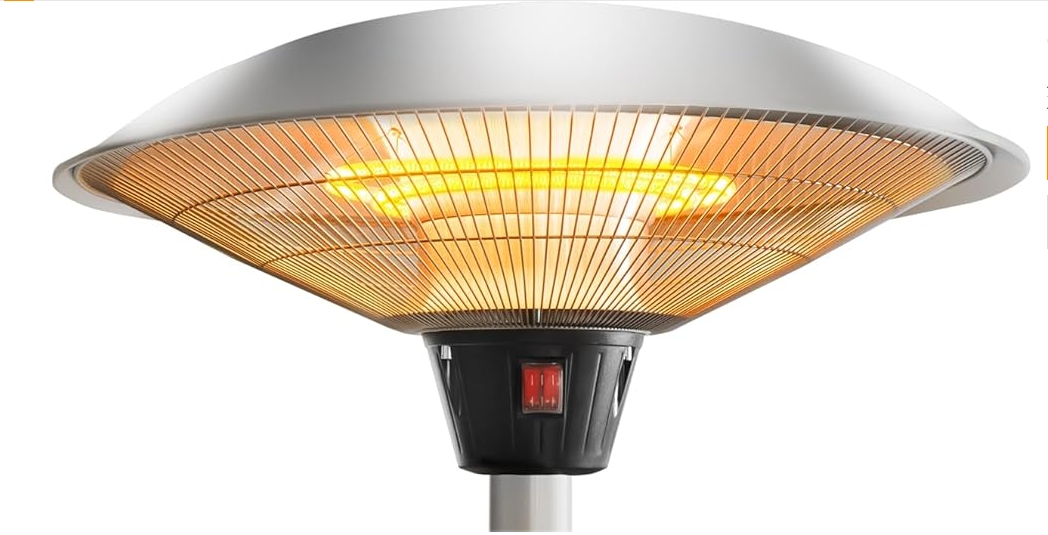
Let’s be honest: outdoor heating is usually a pain. You’re either fighting the wind or worrying that a sudden rainstorm is going to fry your equipment. That’s why we stick with IP66-rated gear. It’s basically a fancy way of saying the heaters can take a beating from dust and heavy rain without blowing a fuse. But the real magic is the shortwave infrared. Instead of trying to warm up the entire backyard—which is a losing battle the second a breeze hits—these heaters beam warmth directly onto you. It feels like standing in a patch of sunlight on a cold day. Heat, right now. Most heaters take forever to get going. Not these. Infrared lamps hit their peak temperature in seconds. When you hook them up to a smart home hub using Zigbee or Matter, that lag disappears. You hit a button, the relay clicks, and you’re warm. I call it “instant spring.” You don’t have to wait twenty minutes for the patio to be habitable; it just happens. Setting it on autopilot Now, you could just use an app, but why bother? The real win is automation. We usually pair these with a few outdoor temperature sensors and motion detectors. Imagine walking onto your deck on a chilly October night and having the heat kick in the moment you step outside because the system knows it’s 45 degrees. It just works. One heads-up, though: these things are power-hungry. High-wattage lamps pull a lot of amps. If you use a cheap smart relay that isn’t rated for the load, you’re going to melt your contacts. Don’t cut corners here. The gritty details There are a few trade-offs to keep in mind. That IP66 seal is great for keeping water out, but it also traps heat inside the housing. You’ve got to make sure the chassis is vented right or use heat-sinks, otherwise, your control board might cook itself. And please, for the love of everything, check your circuit breaker. If you overload your line with too many high-wattage units, you’ll trip the main power the second the system turns on. Double-check your wire gauge before you start drilling holes in your walls. It saves a lot of headaches later.